← BackPerson
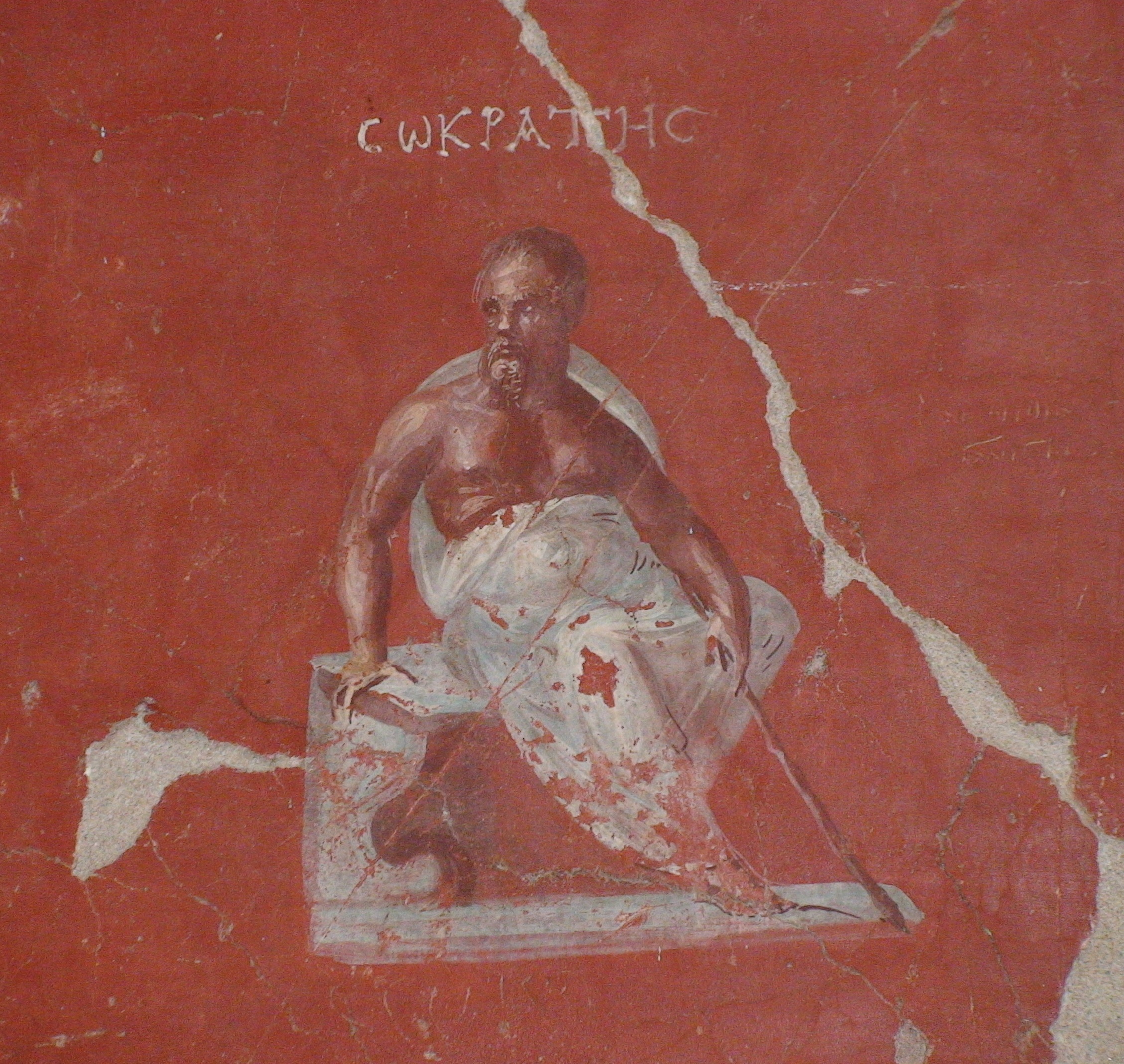
“Socrates was an ancient Greek philosopher from Classical Athens and a major inspiration for Plato, who founded Western philosophy. Known primarily through the accounts of his students, Socrates engaged in dialogues exploring ethical concepts but wrote no texts himself.”
Wikipedia / Wikimedia Commons
Start a Bubble with Socrates
Explore where curiosity takes you from their world of ideas.
Start Bubble →Discovered in Bubbles
Community-validated threads from the shared Bubble pool
Socrates on Mentorship
In 399 BC, Socrates emphasized that true teaching extends beyond knowledge transfer, focusing instead on igniting curiosity and passion in students, revealing the foundations of A Teacher's Pride.
Teaching and the Discovery of Self
A Teacher's Pride, exemplified by Socratic teaching methods, emphasizes the importance of personal discovery in learning. This connects intriguingly to the philosophy of the German educator Johann Heinrich Pestalozzi, who, in the early 19th century, advocated for education that nurtures not just the intellect but also emotional and moral development. Both Socrates and Pestalozzi espouse that true education ignites an inner pride and confidence in learners, fostering a lifelong pursuit of knowledge and self-improvement. Their shared focus on guidance and personal growth highlights how effective teaching can transcend simple knowledge transfer to shape character and identity.
Montessori’s Impact on Socratic Methods
Maria Montessori's educational philosophy, founded in the early 1900s, emphasizes child-led learning and curiosity, echoing the Socratic method of inquiry from the 5th century BCE. While Montessori focused on nurturing a child's natural desire to learn, Socrates championed dialogue and critical thinking during discussions. Both figures, although separated by centuries, reveal a shared belief in fostering an environment where learners are encouraged to explore and discover knowledge autonomously. This connection highlights how ancient and modern approaches can unite in the pursuit of cultivating thoughtful, independent learners.
Timeline
From early life toward later events · 20+ posts
Generating more posts…
Hot discussions
View all →No threads yet. Start a discussion