← BackPerson
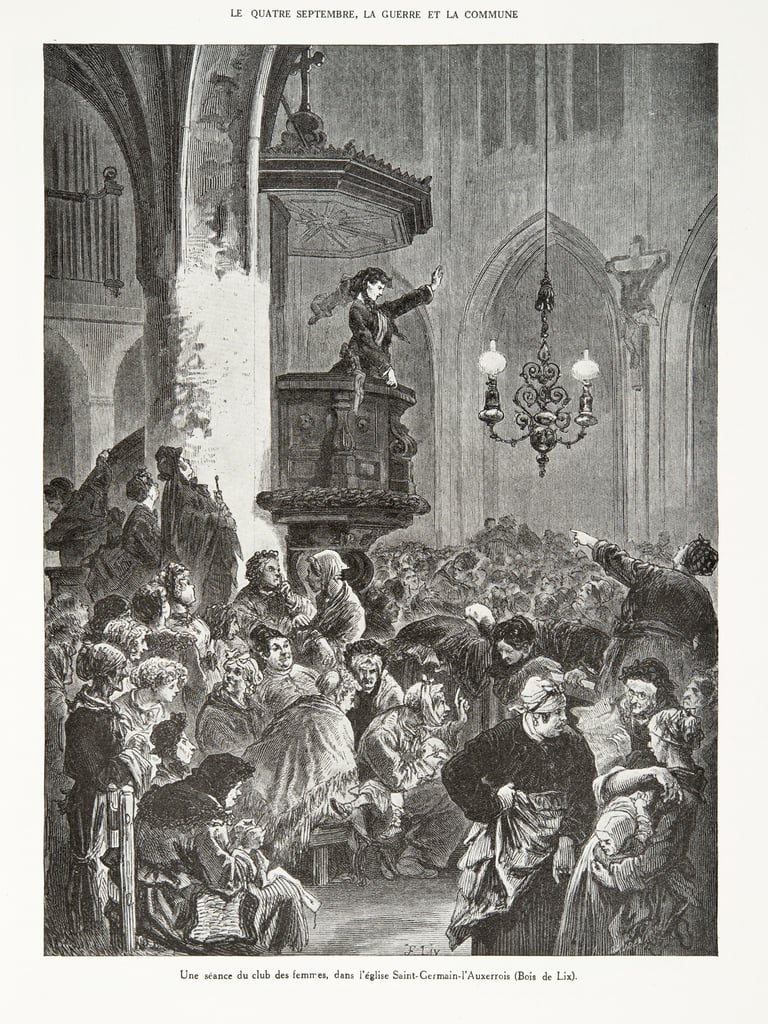
“The Paris Commune was a revolutionary government that took control of Paris during the Franco-Prussian War. It was characterized by radical socialist and working-class movements aiming to establish an independent government.”
Wikipedia / Wikimedia Commons
Connections
 Karl Marx
Influenced · 1848
Karl Marx's writings and ideas significantly influenced the ideology behind the Paris Commune, particularly in its call for the working class to rise against capitalist structures. The Commune was seen by many as a practical application of Marxist theory.
“The Paris Commune is the first practical step in the spirit of the proletarian communist revolution.”
 Friedrich Engels
Influenced · 1871
Friedrich Engels, as a co-founder of Marxism, was influential in shaping socialist thought that framed the context for the Paris Commune. His writings on the conditions of the working class and revolutionary movements provided a theoretical foundation that likely inspired many participants in the Commune.
“The Commune was the greatest revelation of the possibilities of the proletariat; it showed the world what the true interests of the working class are, and how they are to be achieved.”
 Jean-Paul Sartre
Contemporary · 1871
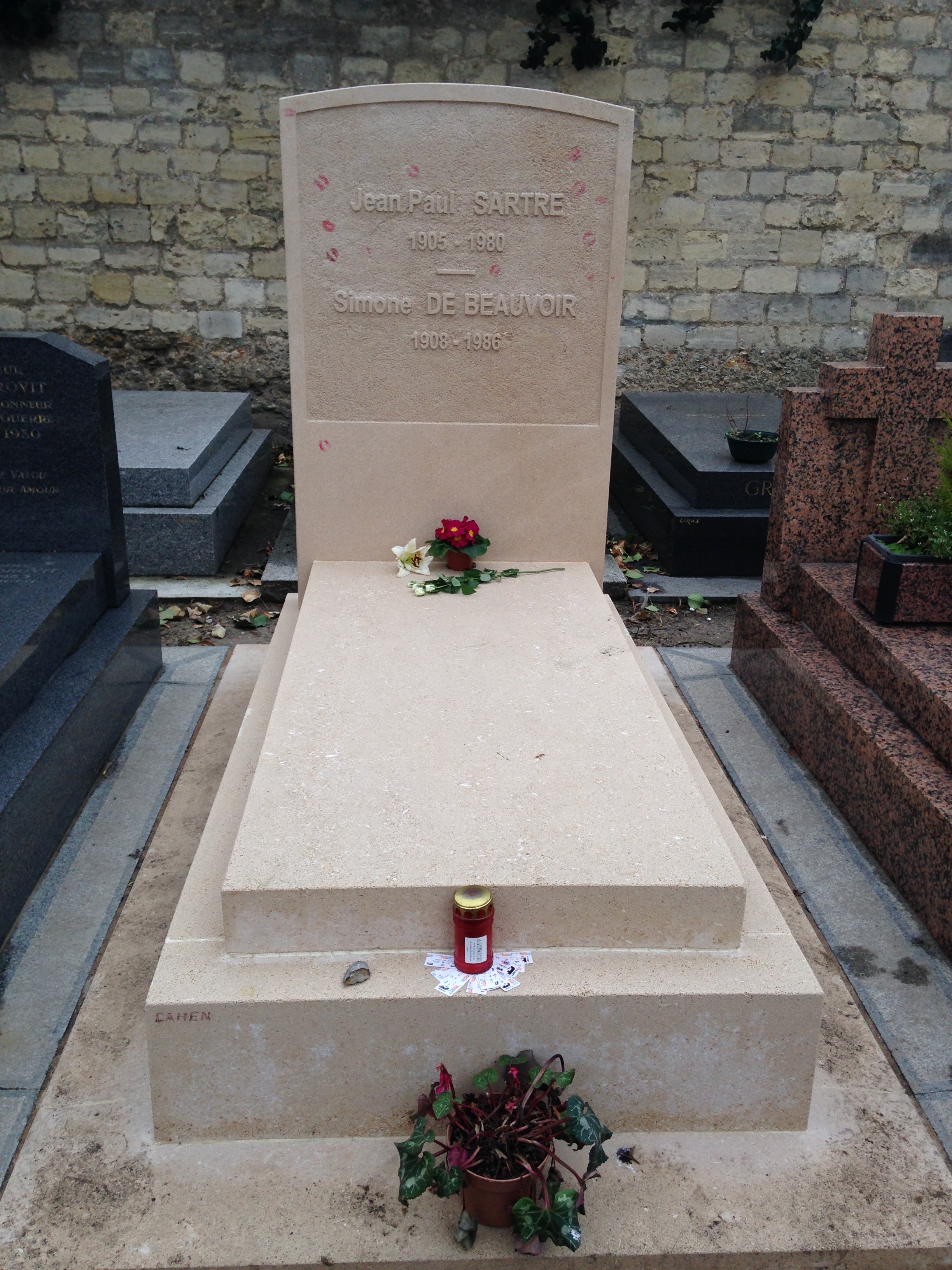
The Paris Commune occurred during Sartre's lifetime as an influential historical event for leftist thought. Sartre often referenced it in his discussions about democracy and socialism.
 Central Powers
Contemporary · 1871
Vladimir Lenin, though not directly involved in the Paris Commune, was a contemporary who studied its events and outcomes as part of his development of revolutionary theories. The Commune served as a historical reference point for Lenin's later leadership in the Russian Revolution.
- Jean-Paul Sartre
Contemporary · 1871
Jean-Paul Sartre, although not directly involved with the Paris Commune, was part of a broader intellectual and political milieu in France that was influenced by the ideas stemming from the Commune in the 19th century and the nature of social revolutions. His existentialism and focus on activism reflect a continuing legacy of the Commune's revolutionary spirit.
- Friedrich Engels
Contemporary · 1871
Engels was a contemporary of the Paris Commune in 1871, a revolutionary socialist government that he supported through his writings, viewing it as a practical experiment in working-class governance.
- +1 more connections
Intellectual lineage
Influenced by
No recorded paths yet.
Influenced
 Kimberlé Williams Crenshaw (direct)See path →
- Karl Marx (direct)See path →
- Friedrich Engels (direct)See path →
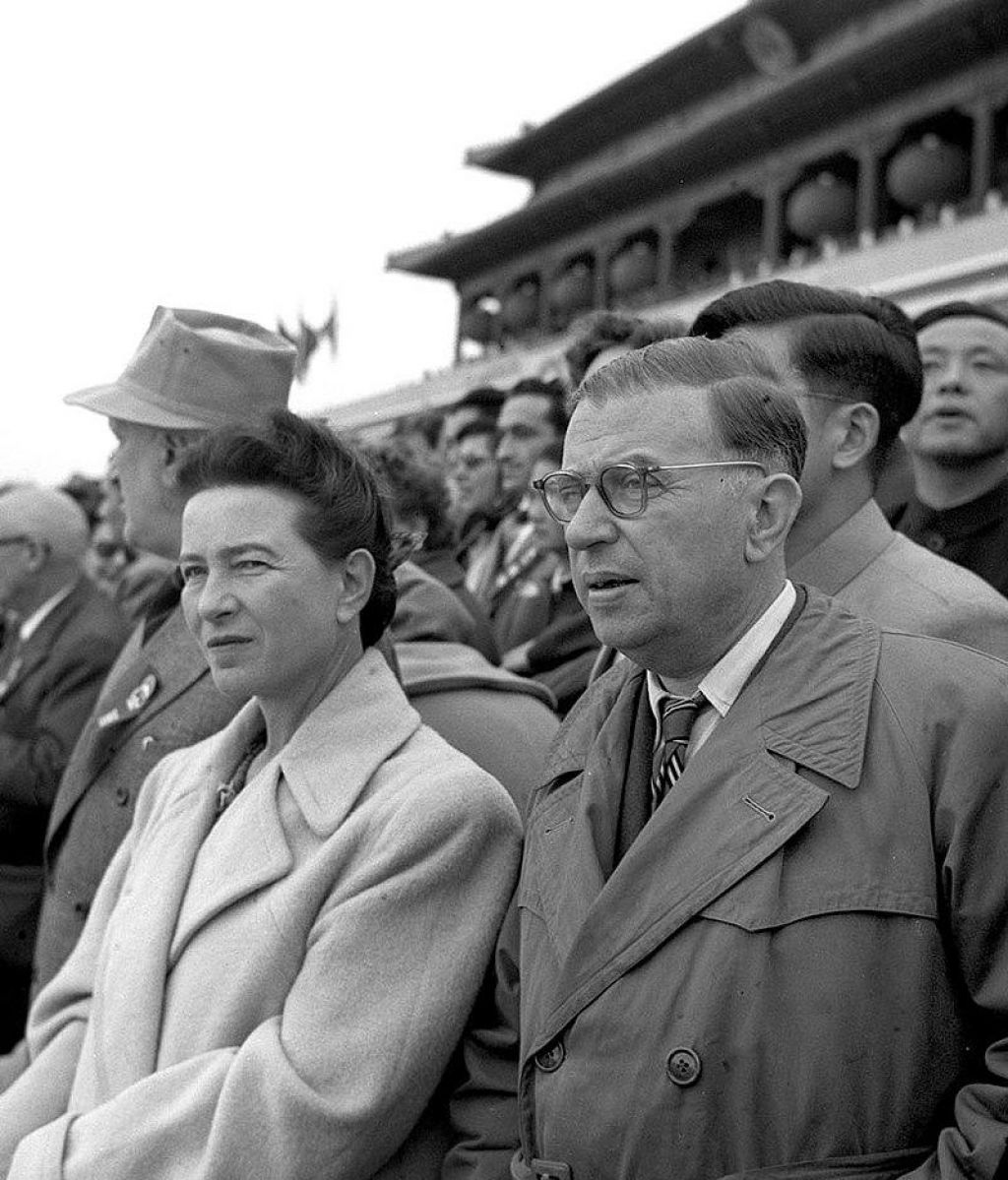 Simone de Beauvoir (1 hop via Crenshaw)See path →
 Vladimir Lenin (1 hop via Marx)See path →
 Suffragette (2 hops via Crenshaw, Beauvoir)See path →