← BackPerson
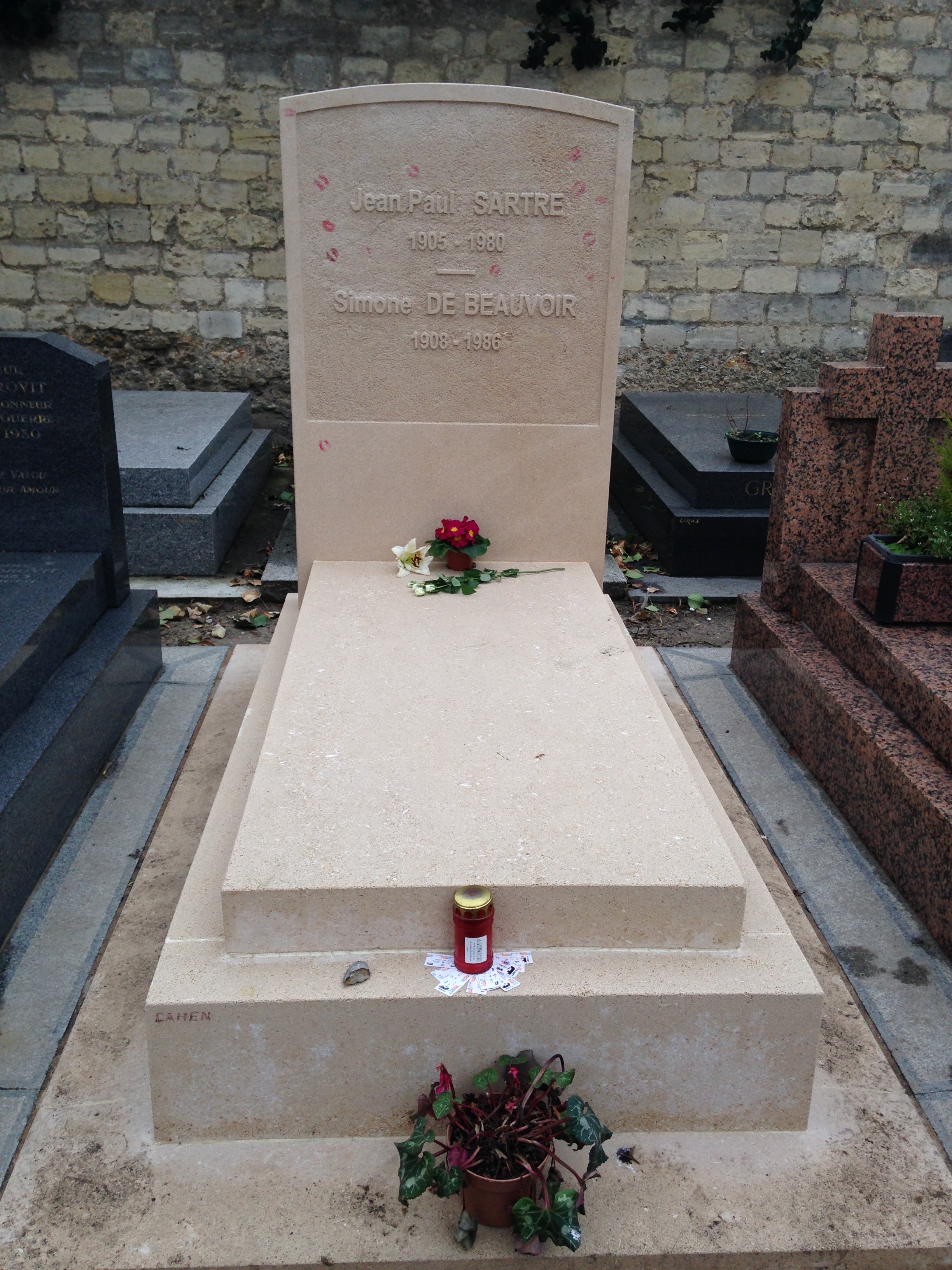
Jean-Paul Sartre
1905 – 1980
PhilosophyLiteraturePolitical ActivismPlaywritingNovel Writingphilosophyplaywritingnovel writingscreenwritingpolitical activismliterary criticism
“Jean-Paul Sartre was a prominent French existentialist philosopher, playwright, and novelist, known for his influence on literature and social thought in the 20th century.”
Wikipedia / Wikimedia Commons
Connections
 Plato
PlatoMentored · 399
Plato was a student of Socrates, who significantly influenced his philosophical development. Socrates' methods of dialectical questioning became central to Plato's philosophy.
“The unexamined life is not worth living.”
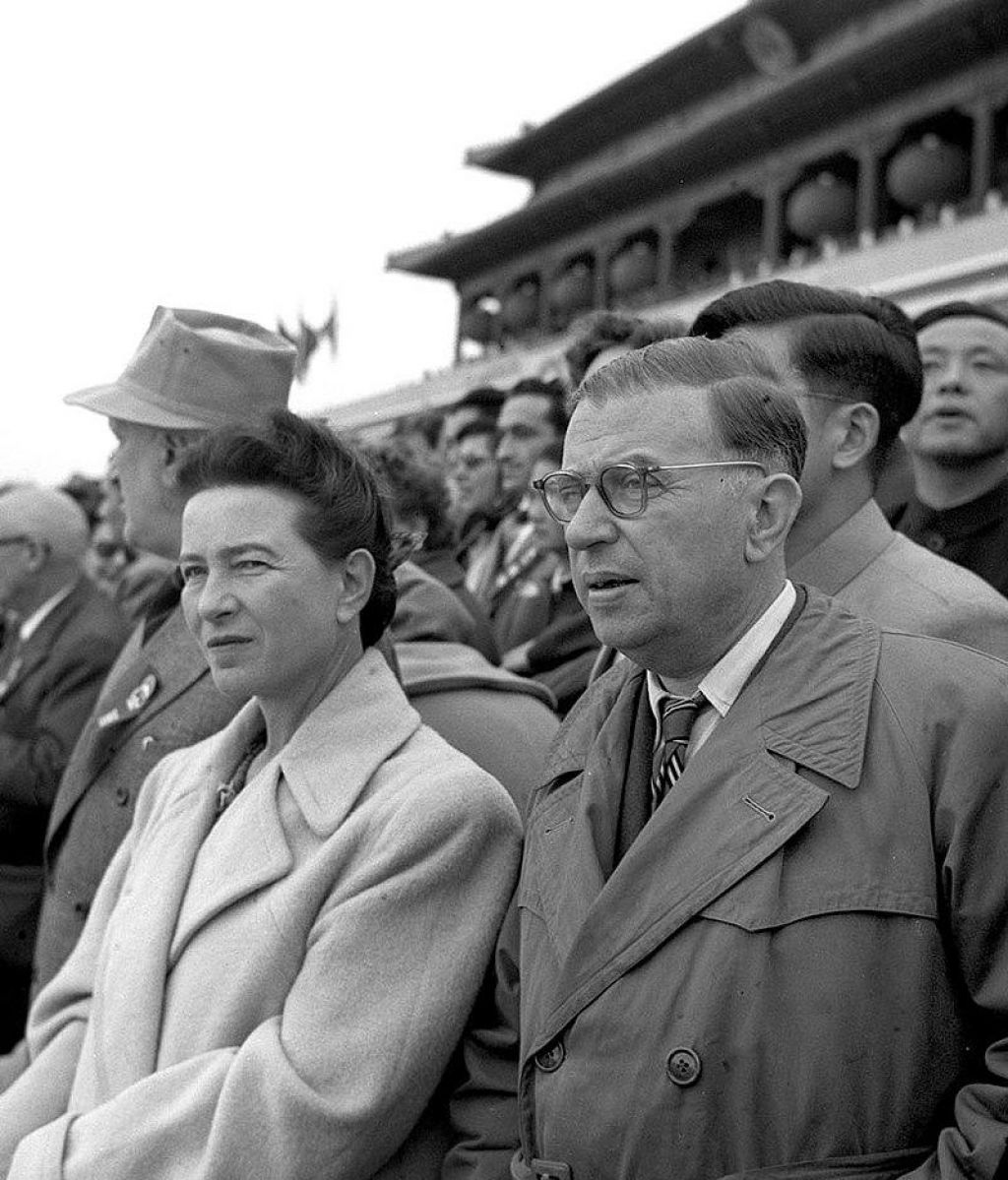 Simone de Beauvoir
Collaborated · 1949
Jean-Paul Sartre and Simone de Beauvoir had a significant intellectual partnership and collaboration, influencing each other's work in existentialism and feminism. Their relationship extended beyond personal affiliation to shared philosophical and political endeavors.
“I am not a woman. I am a human being.”
 Karl Marx
Influenced · 1946
Jean-Paul Sartre was heavily influenced by Karl Marx's ideas, especially concerning existentialism and Marxist theory. In his 1946 lecture 'Existentialism is a Humanism,' Sartre mentioned Marxism as a significant philosophical framework.
“We must not forget that the philosopher who had the most direct influence on the French Communist Party was Karl Marx.”
 Friedrich Engels
Influenced · 1848
Friedrich Engels' writings on socialism and class struggle influenced Sartre's political thought and his approach to existentialism with a focus on social issues. Sartre’s philosophical explorations were shaped by Engels and Marxist principles.
“Freedom is a choice, flight is a challenge.”
 Vladimir Lenin
Influenced · 1960
Sartre was influenced by Vladimir Lenin's theories on revolution and power, especially during the Cold War era when he explored political activism. He expressed admiration for Lenin’s commitment to revolutionary change.
“Lenin was a man of action and the theory that inspired him was always deeply human.”
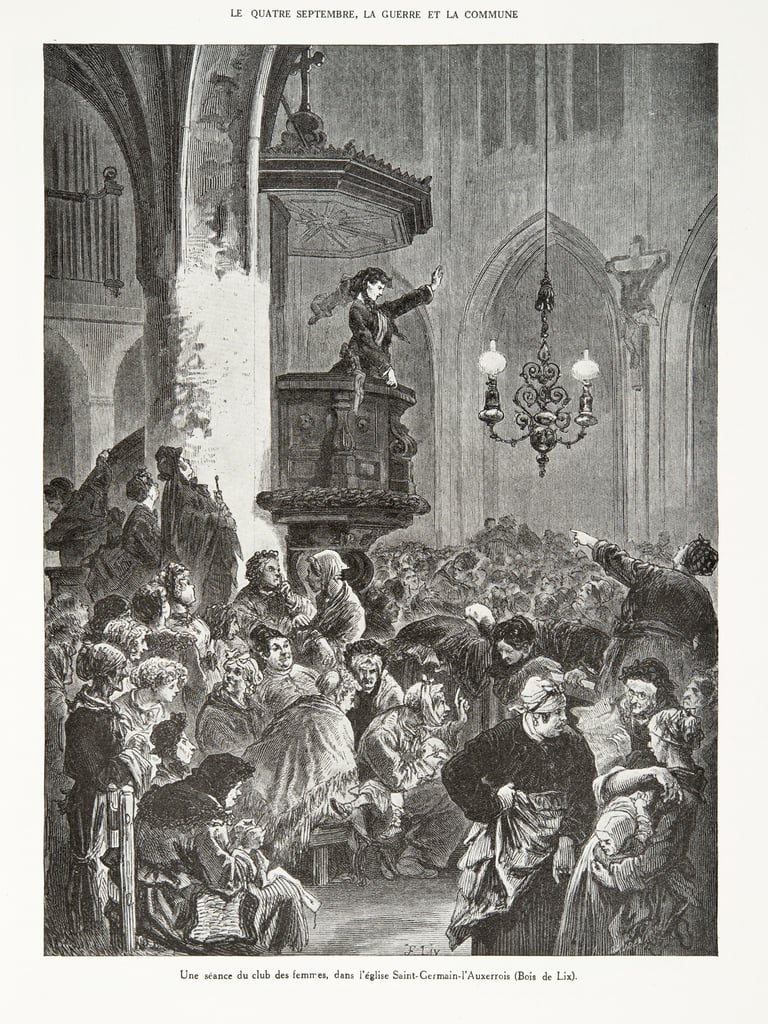 Paris Commune
Contemporary · 1871
The Paris Commune occurred during Sartre's lifetime as an influential historical event for leftist thought. Sartre often referenced it in his discussions about democracy and socialism.
- +5 more connections
Intellectual lineage
Influenced by
- Plato (direct)See path →
Influenced
- Vladimir Lenin (direct)See path →
- Karl Marx (direct)See path →
- Friedrich Engels (direct)See path →
Connected figures
Suggested figures
PlatoConnected to Jean-Paul SartreSimone de BeauvoirConnected to Jean-Paul SartreKarl MarxConnected to Jean-Paul SartreFriedrich EngelsConnected to Jean-Paul SartreVladimir LeninConnected to Jean-Paul SartreParis CommuneConnected to Jean-Paul SartreParis CommuneConnected to Jean-Paul Sartre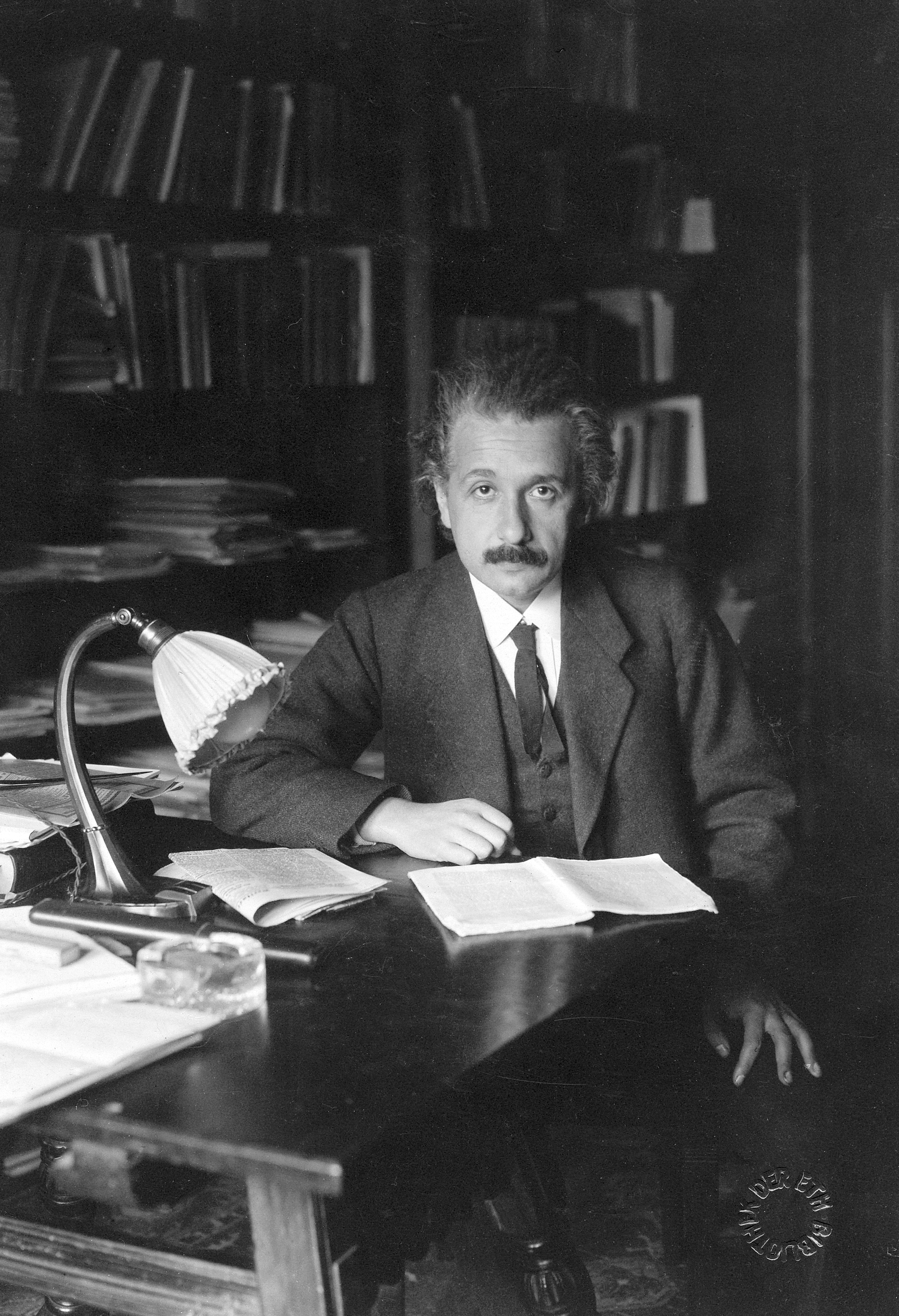 Albert EinsteinConnected to Jean-Paul Sartre
 Thomas EdisonConnected to Jean-Paul Sartre
 Babe LondonConnected to Jean-Paul Sartre
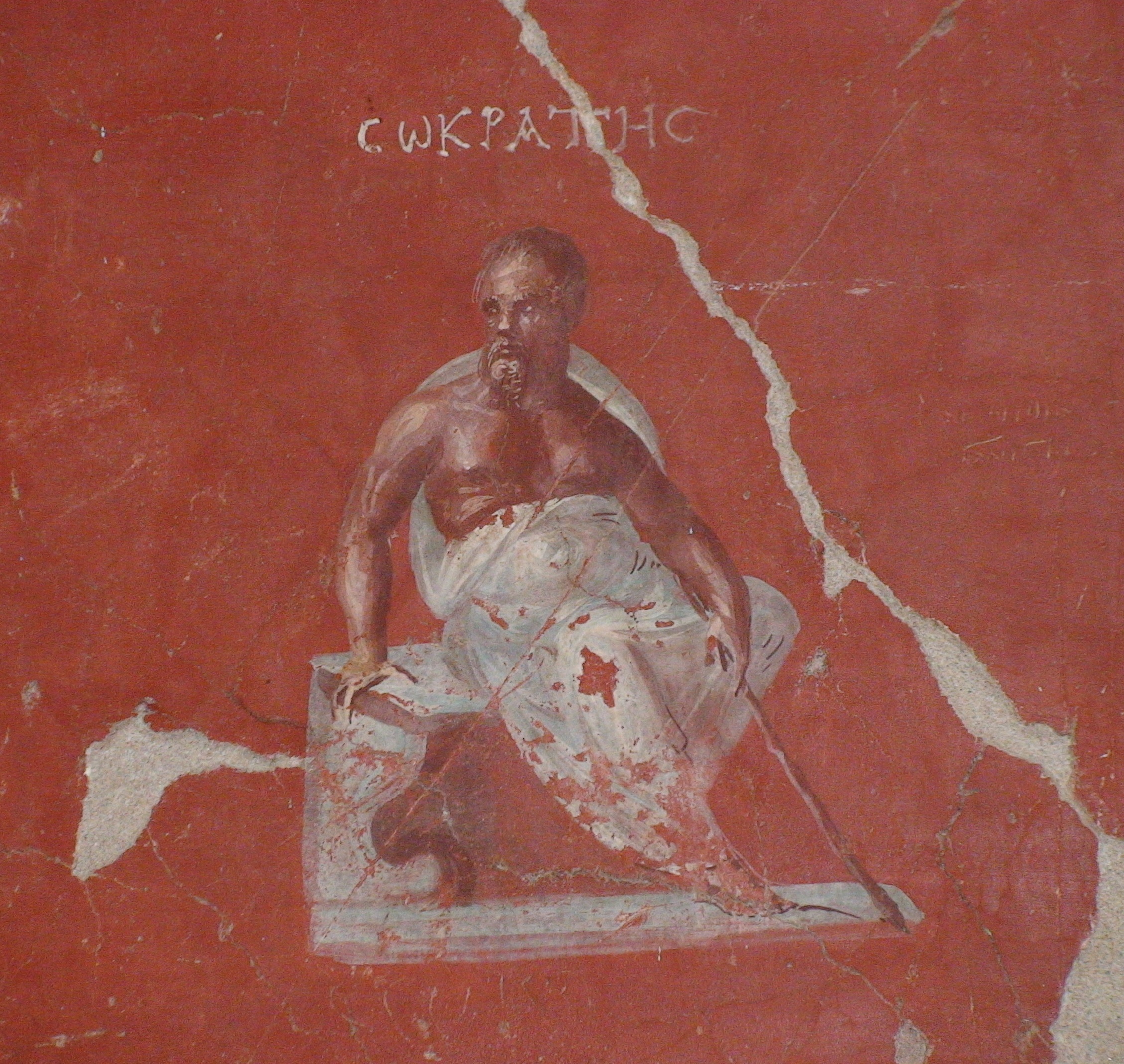 SocratesConnected to Jean-Paul Sartre