
← BackPerson
Friedrich Engels
1820 – 1895
PhilosophySocialismPolitical TheoryJournalismphilosophersocial and political theoristjournalistbusinessmanrevolutionary socialist
“Friedrich Engels was a German philosopher and revolutionary socialist, best known for co-authoring The Communist Manifesto with Karl Marx.”
Wikipedia / Wikimedia Commons
Connections
 Karl Marx
Collaborated · 1848
Friedrich Engels and Karl Marx collaborated closely on the 'Communist Manifesto' published in 1848, which laid out the principles of Marxism and called for the working class to rise against capitalist societies.
“The philosophers have only interpreted the world in various ways; the point is to change it.”
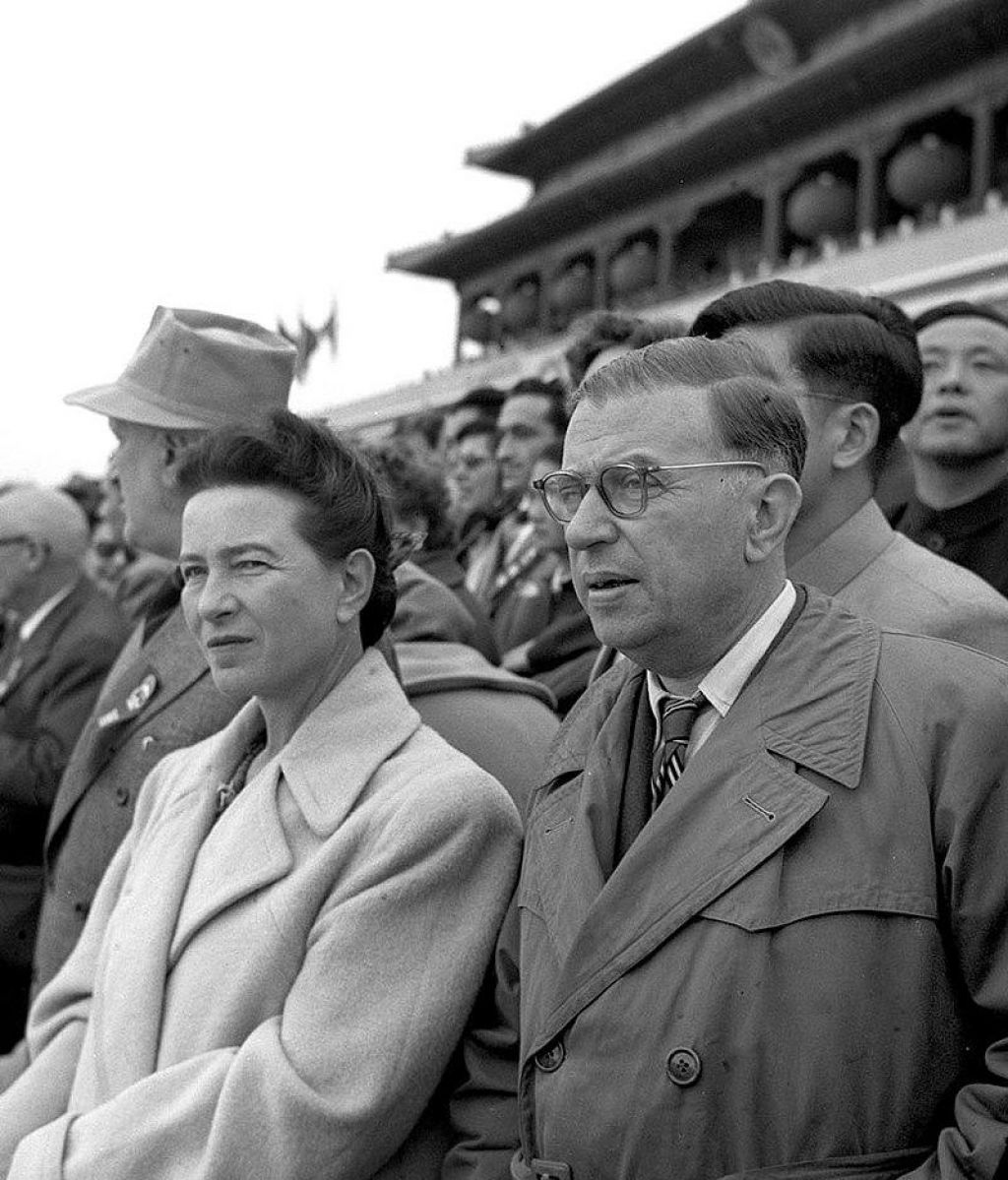 Simone de Beauvoir
Influenced · 1949
Simone de Beauvoir was notably influenced by the socialist and feminist ideas of Friedrich Engels, particularly in her writings on women's oppression in 'The Second Sex.' Engels' works on the family and gender roles provided a foundational understanding that shaped de Beauvoir's arguments about existentialism and feminism.
“No one is born a woman, but rather becomes one.”
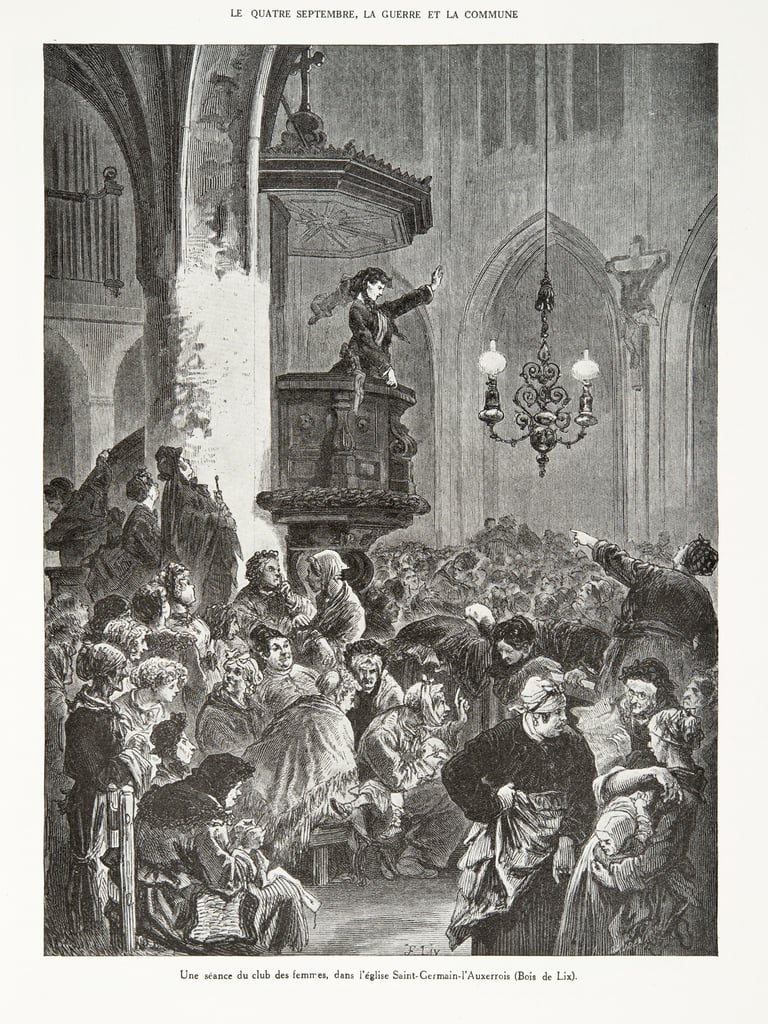 Paris Commune
Influenced · 1871
Friedrich Engels, as a co-founder of Marxism, was influential in shaping socialist thought that framed the context for the Paris Commune. His writings on the conditions of the working class and revolutionary movements provided a theoretical foundation that likely inspired many participants in the Commune.
“The Commune was the greatest revelation of the possibilities of the proletariat; it showed the world what the true interests of the working class are, and how they are to be achieved.”
 Vladimir Lenin
Influenced · 1892
Engels was a significant influence on Vladimir Lenin, particularly through his writings on socialism and the state, as well as his collaborations with Marx, which formed the basis of Lenin's revolutionary practices.
“Without Engels, there would be no Marxism.”
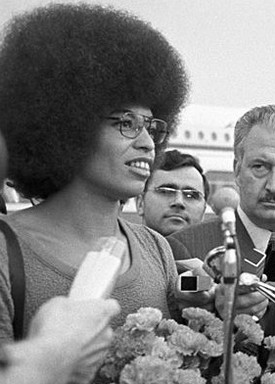 Marxist feminism
Influenced · 1884
Friedrich Engels, through his work, particularly 'The Origin of the Family, Private Property and the State,' laid a theoretical foundation that influenced Marxist feminist thought regarding the role of women in class struggle and the social reproduction of labor.
“The overthrow of the existing family structure, which is based on capitalist property relations, is essential for women's liberation.”
 Suffragette
Contemporary · 1858
The Suffragette movement arose in the late 19th century as a response to systemic gender inequality, echoing Engels' critiques of capitalism and social structures in works like 'The Origin of the Family, Private Property and the State'. Both movements seek to address broader concerns of social justice.
- +6 more connections
Intellectual lineage
Influenced by
- Paris Commune (direct)See path →
 Socrates (direct)See path →
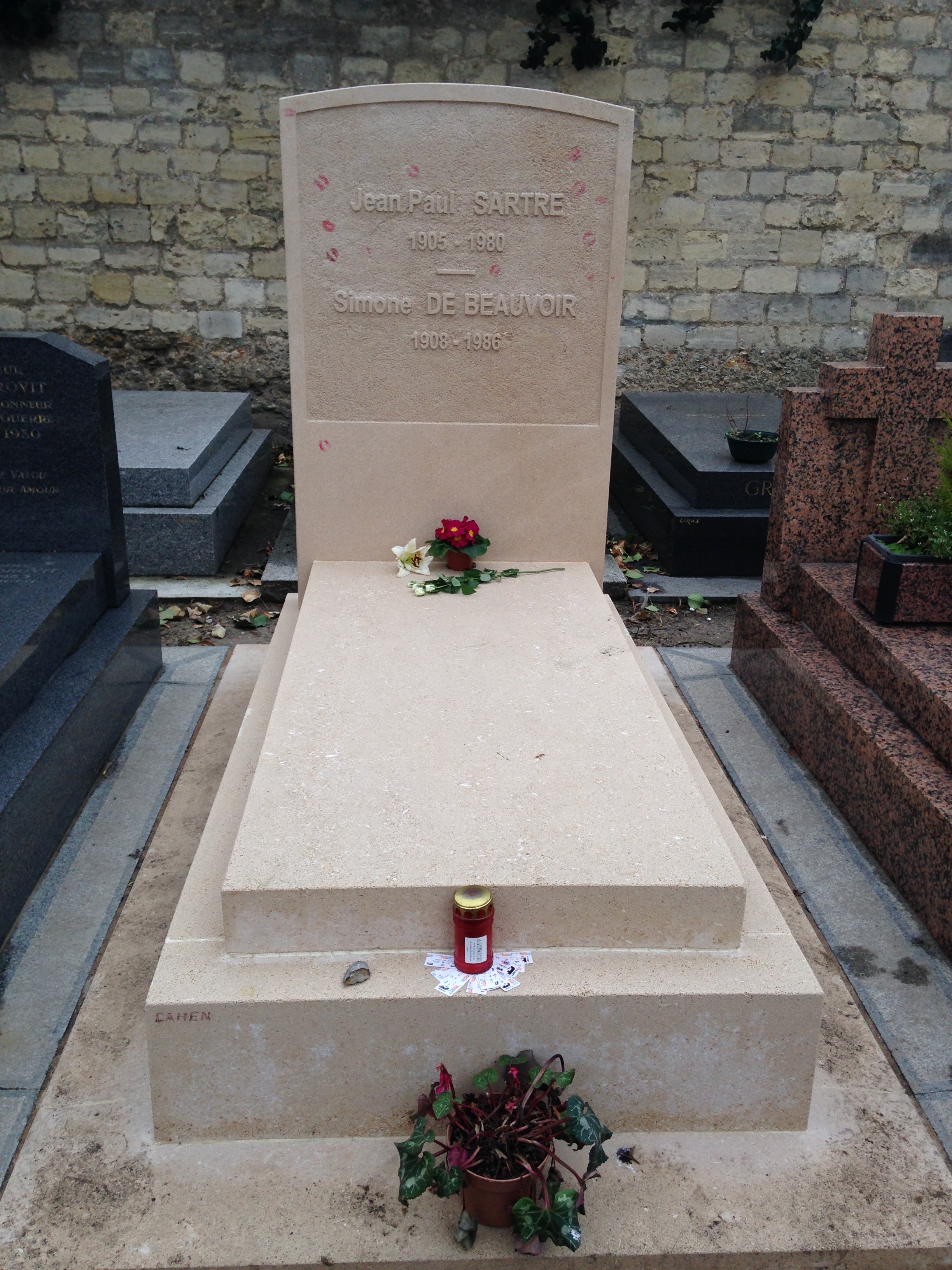 Jean-Paul Sartre (direct)See path →
- Marxist feminism (direct)See path →
- Simone de Beauvoir (direct)See path →
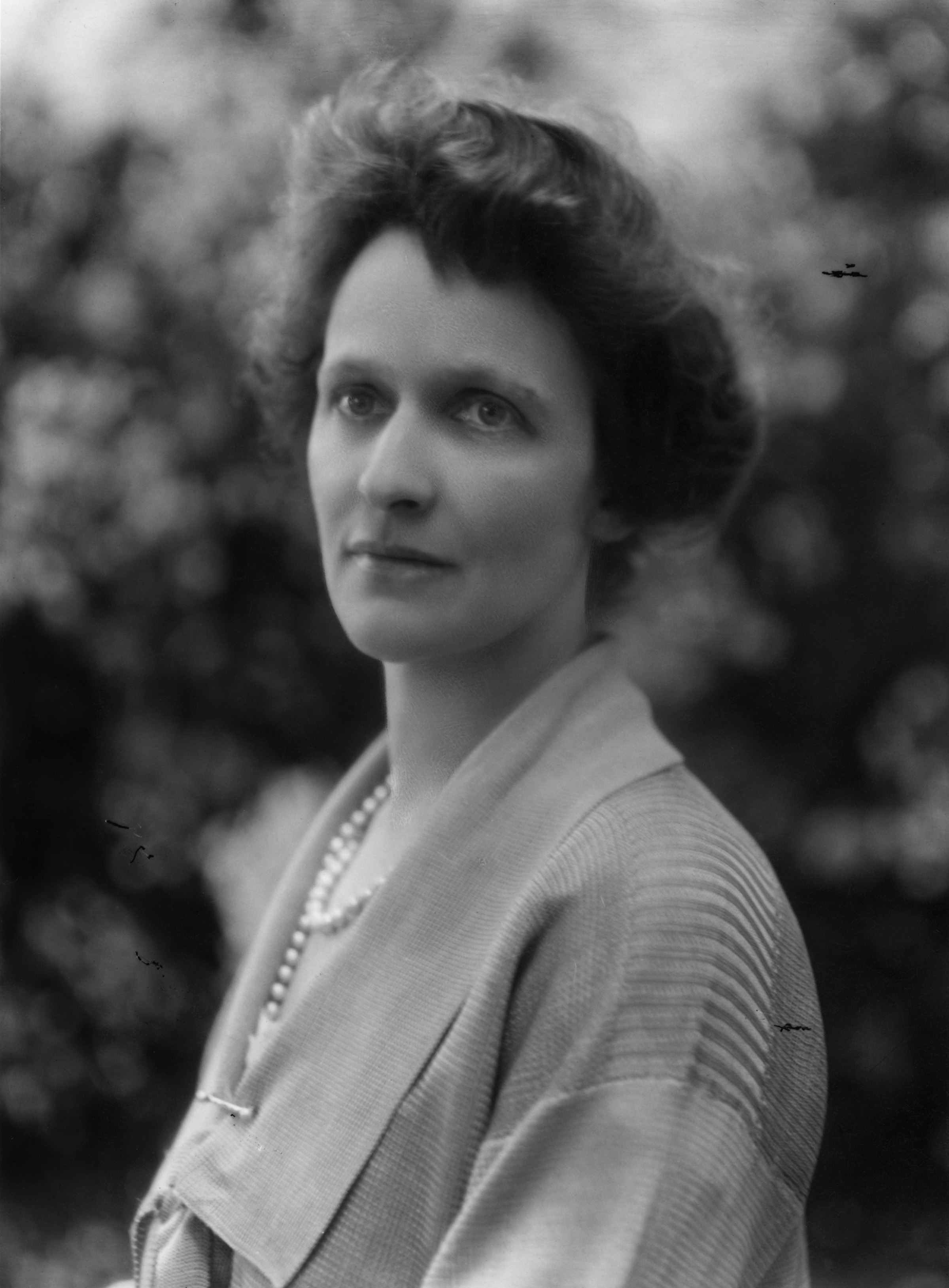 Nancy Astor, Viscountess Astor (1 hop via Beauvoir)See path →
Influenced
- Vladimir Lenin (direct)See path →
Connected figures
Suggested figures
Karl MarxConnected to Friedrich EngelsSimone de BeauvoirConnected to Friedrich EngelsParis CommuneConnected to Friedrich EngelsVladimir LeninConnected to Friedrich EngelsMarxist feminismConnected to Friedrich EngelsSuffragetteConnected to Friedrich Engels Russian Soviet Federative Socialist RepublicConnected to Friedrich EngelsSocratesConnected to Friedrich EngelsJean-Paul SartreConnected to Friedrich EngelsParis CommuneConnected to Friedrich EngelsSimone de BeauvoirConnected to Friedrich EngelsNancy Astor, Viscountess AstorConnected to Friedrich Engels