
← BackPerson
Central Powers
“Military coalition in World War I The Central Powers, also known as the Central Empires, were one of the two main coalitions that fought in World War I (1914–1918). It consisted of the German Empire, Austria-Hungary, the Ottoman Empire, and the Kingdom of Bulgaria; this was also known as the Quadruple Alliance.”
Wikipedia / Wikimedia Commons
Connections
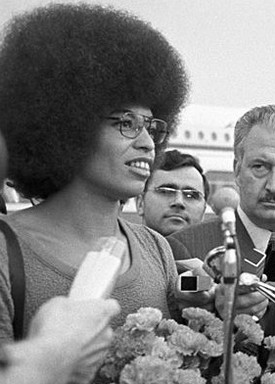 Marxist feminism
Collaborated · 1917
Vladimir Lenin's adaptation of Marxist theory to the Russian context, particularly through addressing women's roles in the revolution, directly influenced the rise of Marxist feminism as activists sought to understand class and gender together.
“The liberation of women is a prerequisite for the liberation of the working class.”
 Laura Marx
Contemporary · 1871
Laura Marx lived during the time of the Paris Commune, a pivotal event in socialist thought and action which her father Karl Marx wrote about. Although she did not directly participate, the Commune significantly influenced the political discourse of which she was a part.
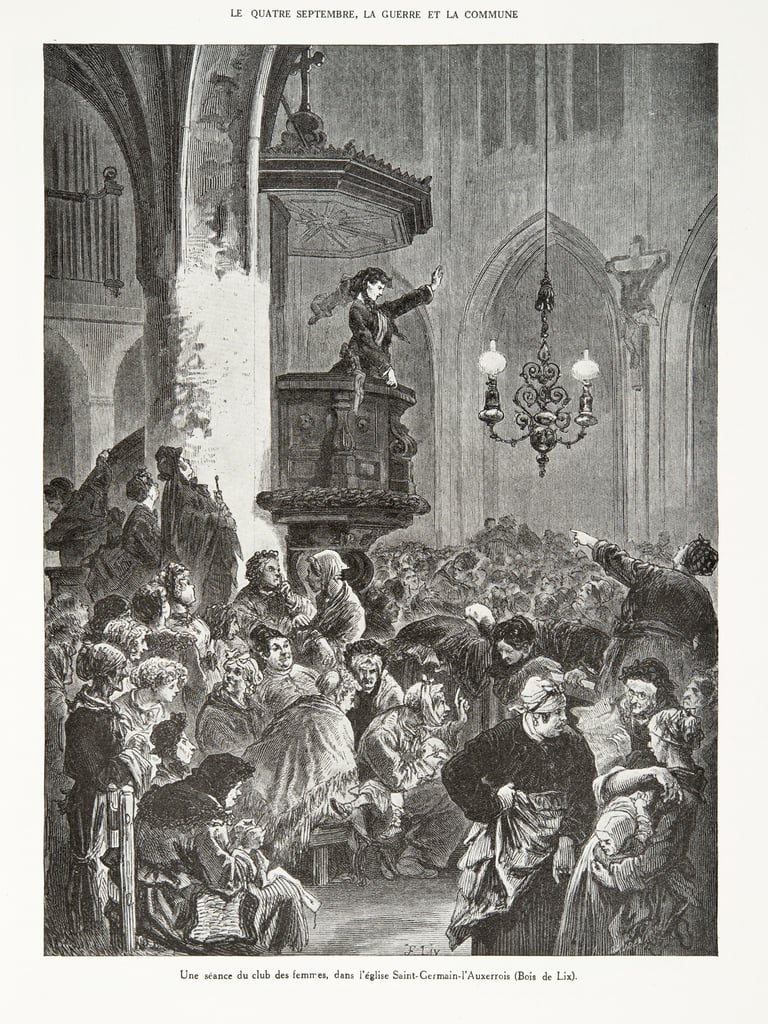 Paris Commune
Contemporary · 1871
Vladimir Lenin, though not directly involved in the Paris Commune, was a contemporary who studied its events and outcomes as part of his development of revolutionary theories. The Commune served as a historical reference point for Lenin's later leadership in the Russian Revolution.