IDEA · POLITICS
Women's Rights in Socialism
1800 — 2000
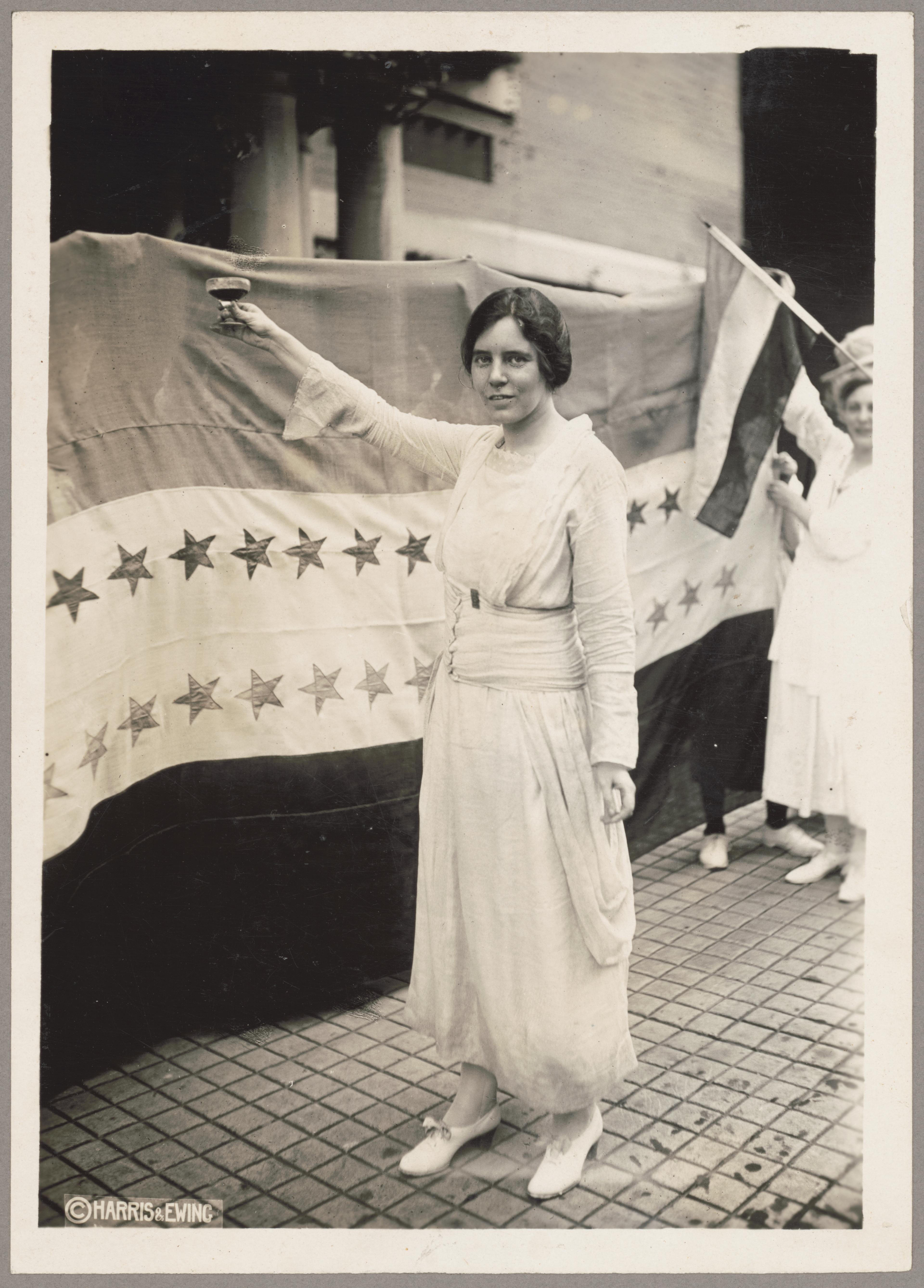
The women's rights movement has fundamentally reshaped societal norms and legal frameworks regarding gender equality.
1800 — 2000
The women's rights movement has fundamentally reshaped societal norms and legal frameworks regarding gender equality.

Wikimedia Commons
World context
1800In 1800, a group of determined women gathers in a dimly lit parlor, their voices rising in fervor as they draft a manifesto demanding equal rights. The air is thick with the scent of ink and paper, and the flickering candlelight casts shadows on their resolute faces, each woman envisioning a world where her voice matters. Outside, the streets of burgeoning cities hum with the promise of change, as whispers of equality begin to ripple through society.

Wikimedia Commons
World context
1800Marie Stopes in her laboratory, 1904 - Restoration

Wikimedia Commons
World context
1800"Round the world." - Letters from Japan, China, India, and Egypt (1872) (14586355839)

Wikimedia Commons
World context
1900In 1900, a group of women gathers in a dimly lit room in a bustling city, their voices rising in fervent discussion. They pass around pamphlets, each one a manifesto of rights, demanding equality in the workplace and the vote, their determination igniting a spark that will fuel movements across the globe. Outside, the world remains largely indifferent, but inside, the air crackles with the promise of change.

Harvard University Press · Public domain
World context
2000In 2000, a diverse group of women gather in a sunlit conference hall in Beijing, their voices rising in unison as they demand equal rights and opportunities. Each speaker, from activists to scholars, shares stories of struggle and resilience, igniting a fire of solidarity that echoes across continents. The air is thick with determination, as banners proclaiming "Rights for Women and Girls Worldwide" flutter in the breeze, signaling a pivotal moment in the global fight for gender equality.
Keep exploring