IDEA · PHILOSOPHY
The Second Sex
1946 — 1949
The Second Sex catalyzed the modern feminist movement, reshaping societal views on gender.
1946 — 1949
The Second Sex catalyzed the modern feminist movement, reshaping societal views on gender.

Moshe Milner · CC BY-SA 3.0
In January 1946, Simone de Beauvoir sits at a cluttered desk in Paris, the faint scent of cigarette smoke mingling with the ink of her typewriter. She pours over notes and philosophical texts, her mind racing with ideas about women’s oppression and existential freedom. Each keystroke echoes her determination to unravel the complexities of gender, as she embarks on a journey that will reshape feminist thought forever.
AI-reconstructed · Chronos
Loading…
Sign in to join the discussion.
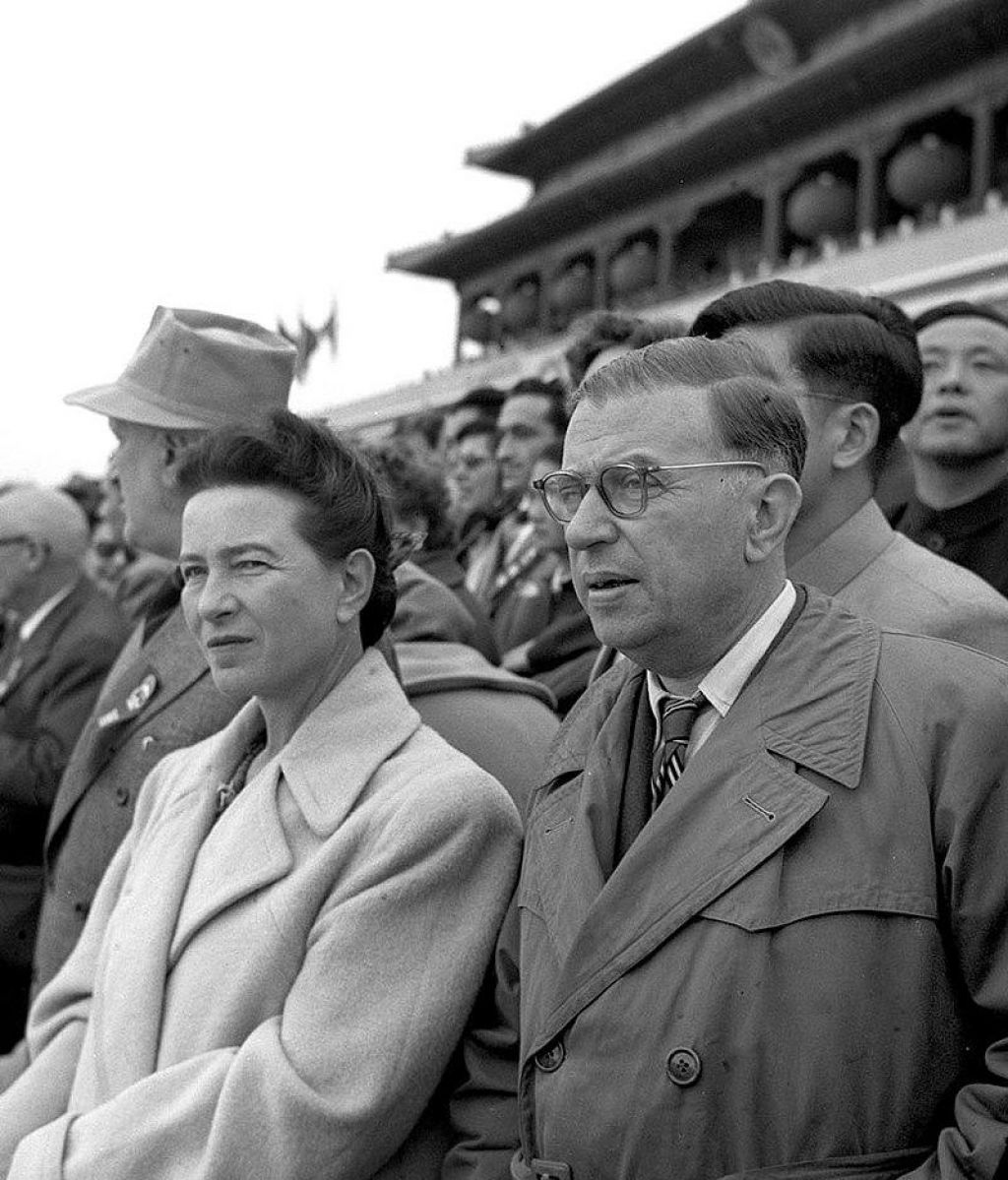
Wikimedia Commons
In January 1949, Simone de Beauvoir’s groundbreaking work, *The Second Sex*, bursts onto the literary scene, its pages alive with a fierce exploration of women's oppression. As she dissects the myths surrounding femininity and articulates the lived experiences of women, her words ignite a philosophical revolution, challenging the very foundations of gender roles in society. The air is thick with anticipation and controversy, as readers grapple with her bold assertions and the call for existential freedom.
AI-reconstructed · Chronos
Loading…
Sign in to join the discussion.
Keep exploring