INVENTION JOURNEY · OTHER
Origin of the Plato
347 — 427
Plato's ideas established the foundation of Western philosophy.
347 — 427
Plato's ideas established the foundation of Western philosophy.

Wikipedia / Wikimedia Commons
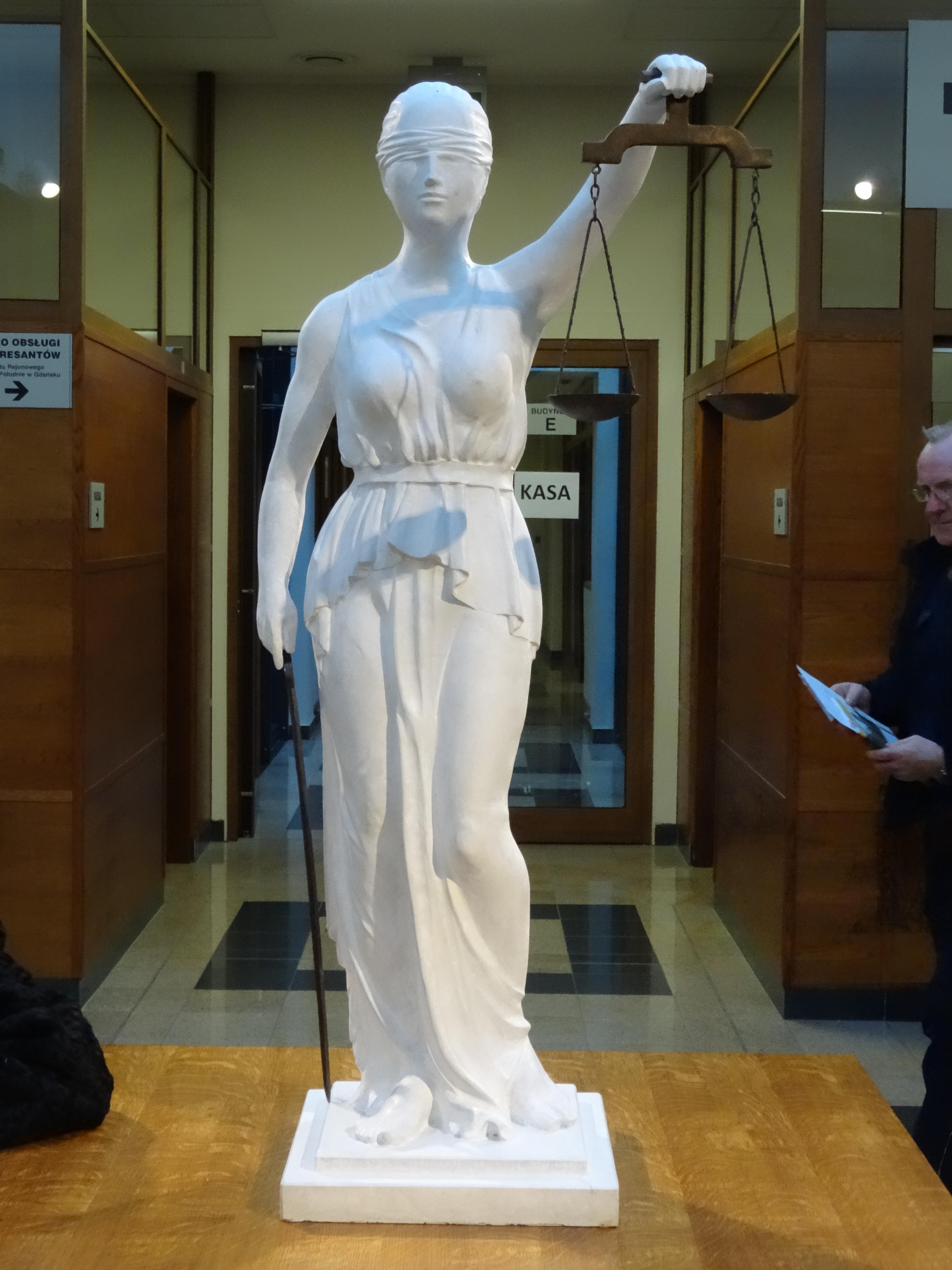
In 347, the sun casts long shadows over the olive trees of Athens as Plato, frail yet resolute, takes his final breaths in the Academy he founded. Surrounded by devoted disciples, he whispers thoughts of the eternal Forms, his mind drifting to the realms beyond the physical world. The air is thick with the scent of incense, marking the end of an era in philosophy and the beginning of a legacy that will echo through the ages.
AI-reconstructed · Chronos
Loading…
Sign in to join the discussion.
AI-illustrated · Chronos
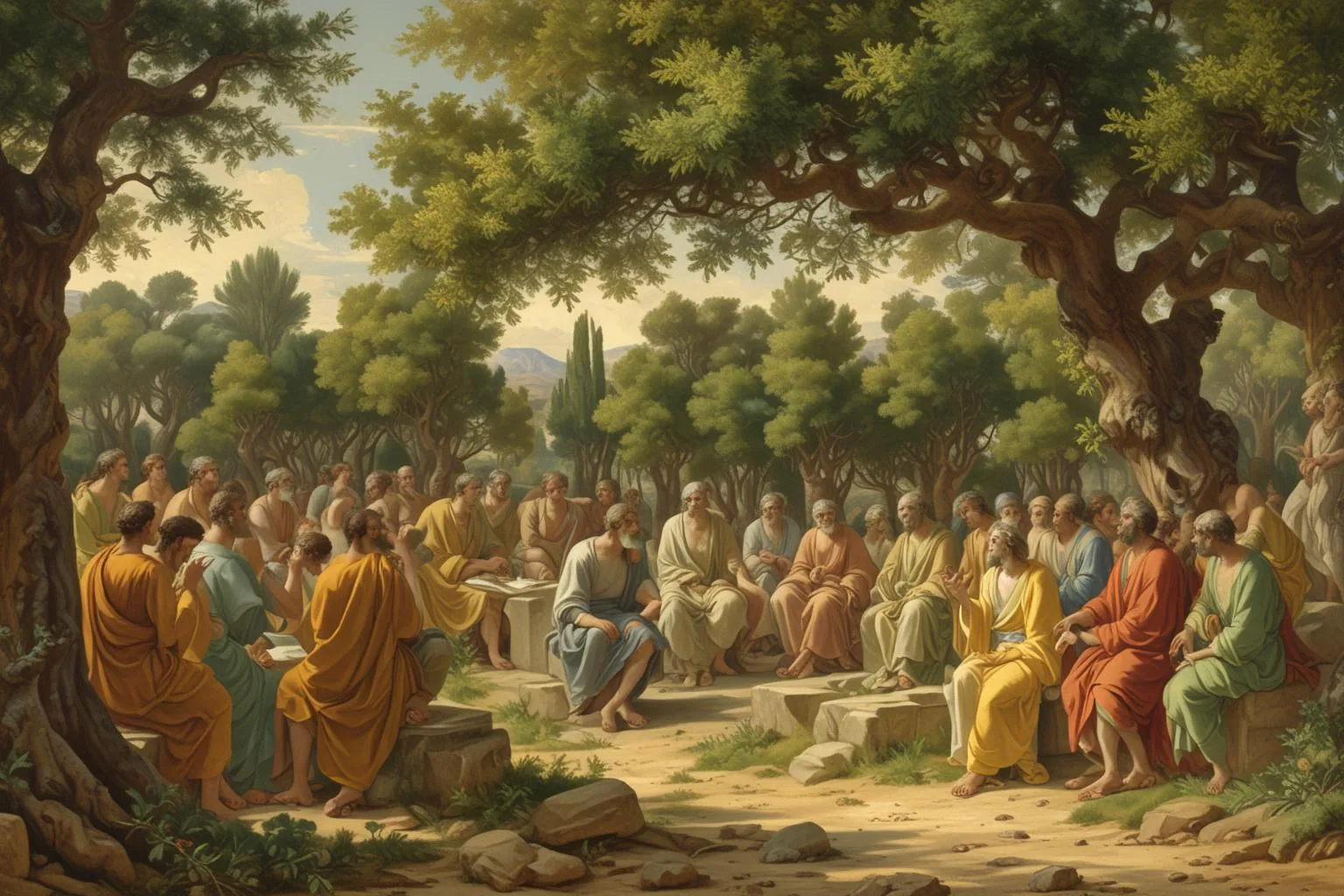
In 387, Plato stands before a group of eager students in a grove near Athens, the air thick with the scent of olive trees. He gestures animatedly, his voice rising as he speaks of the Forms, inviting them to question the very nature of reality. The sun filters through the leaves, casting dappled shadows on the ground, as the seeds of philosophy take root in the minds of his disciples.
AI-reconstructed · Chronos
Loading…
Sign in to join the discussion.
AI-illustrated · Chronos
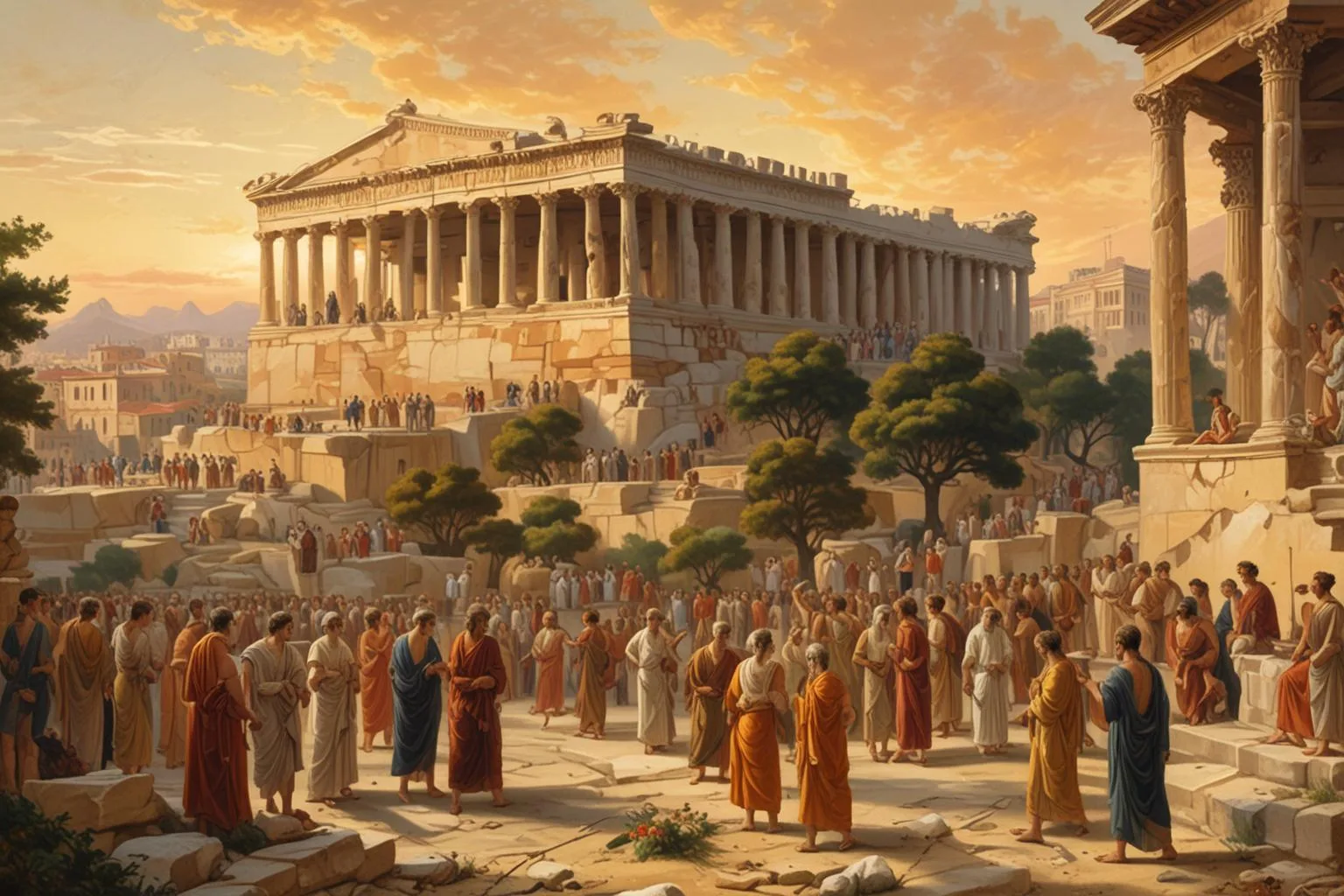
In 427 BCE, the sun rises over Classical Athens, casting golden light on the bustling agora. A child named Plato, destined to shape the very foundations of Western philosophy, takes his first breath amidst the vibrant discussions of democracy and the arts that swirl around him. The air is thick with the scent of olive oil and the sounds of debate, a fitting backdrop for a future thinker who will challenge the nature of reality itself.
AI-reconstructed · Chronos
Loading…
Sign in to join the discussion.
Keep exploring