ERA OF INNOVATION · POLITICS
Representation of the People Act
1917 — 1928
The act significantly expanded the electorate, enfranchising millions and paving the way for future voting rights reforms.
1917 — 1928
The act significantly expanded the electorate, enfranchising millions and paving the way for future voting rights reforms.
World context
May 1917In the dimly lit chamber of the House of Commons on May 1, 1917, the air buzzes with anticipation as a weary yet determined Member of Parliament rises to introduce the Representation of the People Bill. The weight of the moment hangs heavy, as voices echo with the promise of suffrage for millions, igniting a flicker of hope in the hearts of those who have long been silenced. Outside, the streets pulse with the energy of a nation on the brink of transformation.
World context
Feb 6, 1918On February 6, 1918, the air in the House of Commons crackles with anticipation as the final vote on the Representation of the People Act looms. MPs cast their votes, the clatter of the division bells echoing through the chamber, signaling a monumental shift as millions of women and working-class men inch closer to the ballot box. The tension is palpable, a historic moment poised to reshape the very fabric of British democracy.
World context
Dec 14, 1918On December 14, 1918, the air is thick with anticipation as voters line up outside polling stations across Britain, the first election under the Representation of the People Act. Women, many for the first time, clutch their ballots tightly, their faces a mix of determination and disbelief as they step into the booths, ready to shape a new political landscape. The clatter of democracy echoes through the streets, a powerful testament to change.
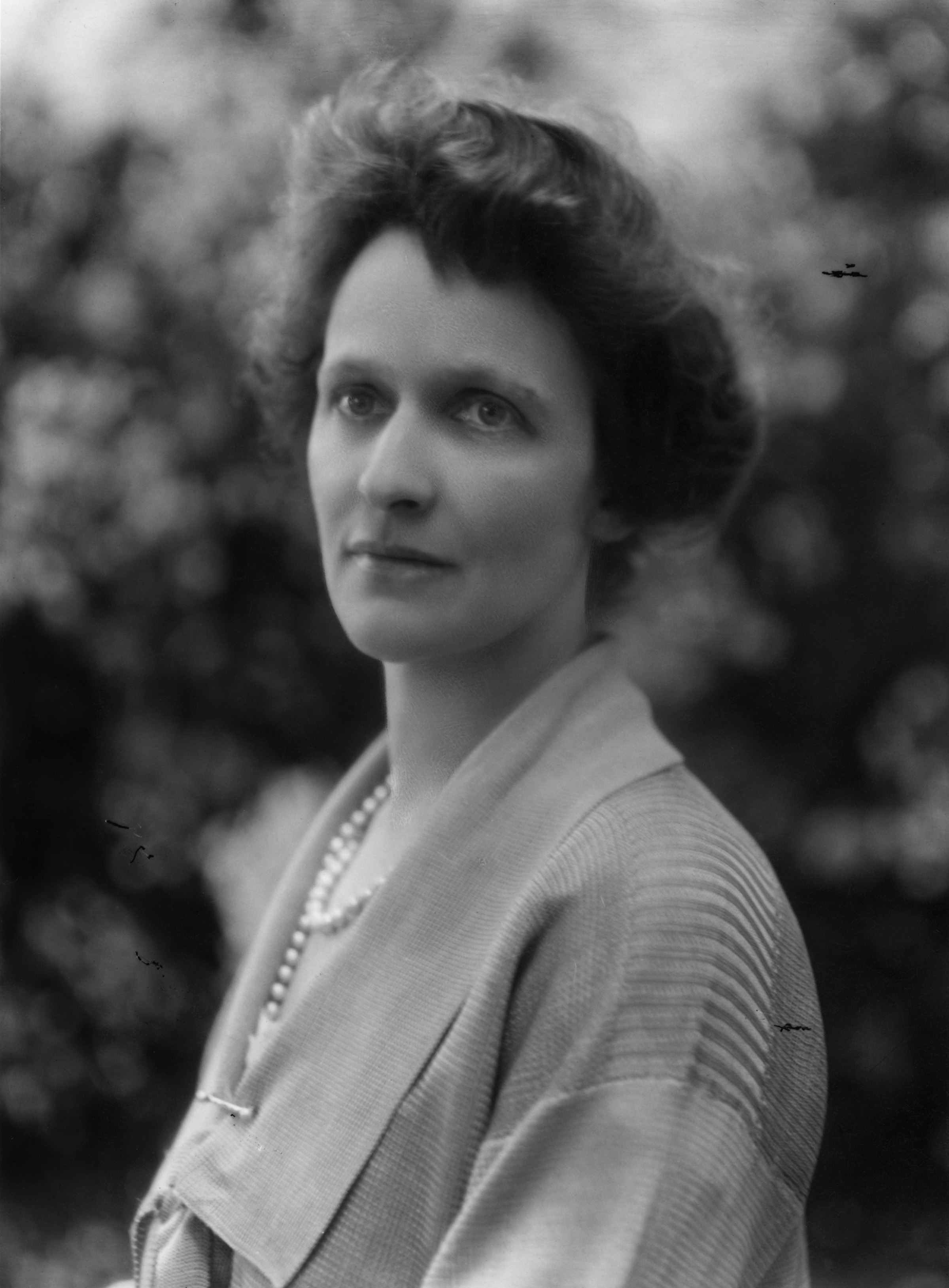
Wikipedia / Wikimedia Commons
In the crisp December air of 1919, Nancy Astor strides into the House of Commons, her heart pounding with a mix of pride and trepidation. As she takes her seat, the murmurs of astonished male MPs fill the chamber, marking a historic moment in British politics—the first time a woman claims her place in this hallowed hall of power. The echoes of the Representation of the People Act resonate as she prepares to speak, a trailblazer for generations to come.
AI-reconstructed · Chronos
Loading…
Sign in to join the discussion.
World context
1928On January 1, 1928, the air in Westminster buzzes with a mix of anticipation and disbelief as the Representation of the People (Equal Franchise) Act is officially passed, granting women the right to vote on equal terms with men. In the crowded halls, voices rise in celebration, echoing the hard-fought battles of suffragettes who have marched, protested, and endured for this moment of electoral equality. The ink dries on the document, sealing a new chapter in British democracy where women’s voices will finally shape the future.
Keep exploring