
IDEA · CHEMISTRY
Laws of Electrolysis
1785 — 1930
Electrolysis revolutionized the field of chemistry and manufacturing by providing a reliable method for element separation.
1785 — 1930
Electrolysis revolutionized the field of chemistry and manufacturing by providing a reliable method for element separation.
World context
1785In 1785, Martinus van Marum stands before his newly constructed electrostatic generator, the air crackling with anticipation. As he carefully connects the apparatus to a series of metal salts, a brilliant spark ignites the process of electrolysis, reducing tin, zinc, and antimony from their compounds. The room fills with the scent of ozone, marking a pivotal moment in the understanding of chemistry and the power of electricity.

Wikimedia Commons
World context
1789In the dim light of their laboratory in 1789, Adriaan Paets van Troostwijk and Jan Rudolph Deiman stand over a crackling electrostatic generator, its sparks dancing like fireflies. As they carefully manipulate the apparatus, the first wisps of hydrogen and oxygen emerge, bubbling to the surface of the water, heralding a new era in chemistry. The air is thick with anticipation, each pop and fizz a promise of the discoveries yet to come.
World context
1800In 1800, William Nicholson and Anthony Carlisle stand before a curious audience, their voltaic pile humming with energy. As they carefully immerse electrodes in water, bubbles of hydrogen and oxygen dance to the surface, a groundbreaking spectacle that reveals the secrets of electrolysis for the first time. The air crackles with the promise of a new era in chemistry, as the duo captures the elemental forces of nature in a simple glass vessel.
World context
1808In 1808, in a dimly lit laboratory at the Royal Institution in London, Humphry Davy stands before a series of glass apparatus, his hands steady as he applies a powerful electric current to molten potash. The air crackles with anticipation as vibrant flashes illuminate the room, revealing the shimmering metals of potassium and sodium, their discovery sparking a revolution in chemistry. Davy's triumph continues as he isolates barium, calcium, and magnesium, each element a testament to the transformative power of electrolysis.
World context
1821In 1821, William Thomas Brande stands in his dimly lit laboratory, the air thick with anticipation as he carefully applies an electric current to lithium oxide. A faint glow flickers, and from the depths of the crucible, a silvery metal emerges, shimmering with potential. This moment marks the birth of lithium, a discovery that will electrify the world of chemistry.
AI-illustrated · Chronos
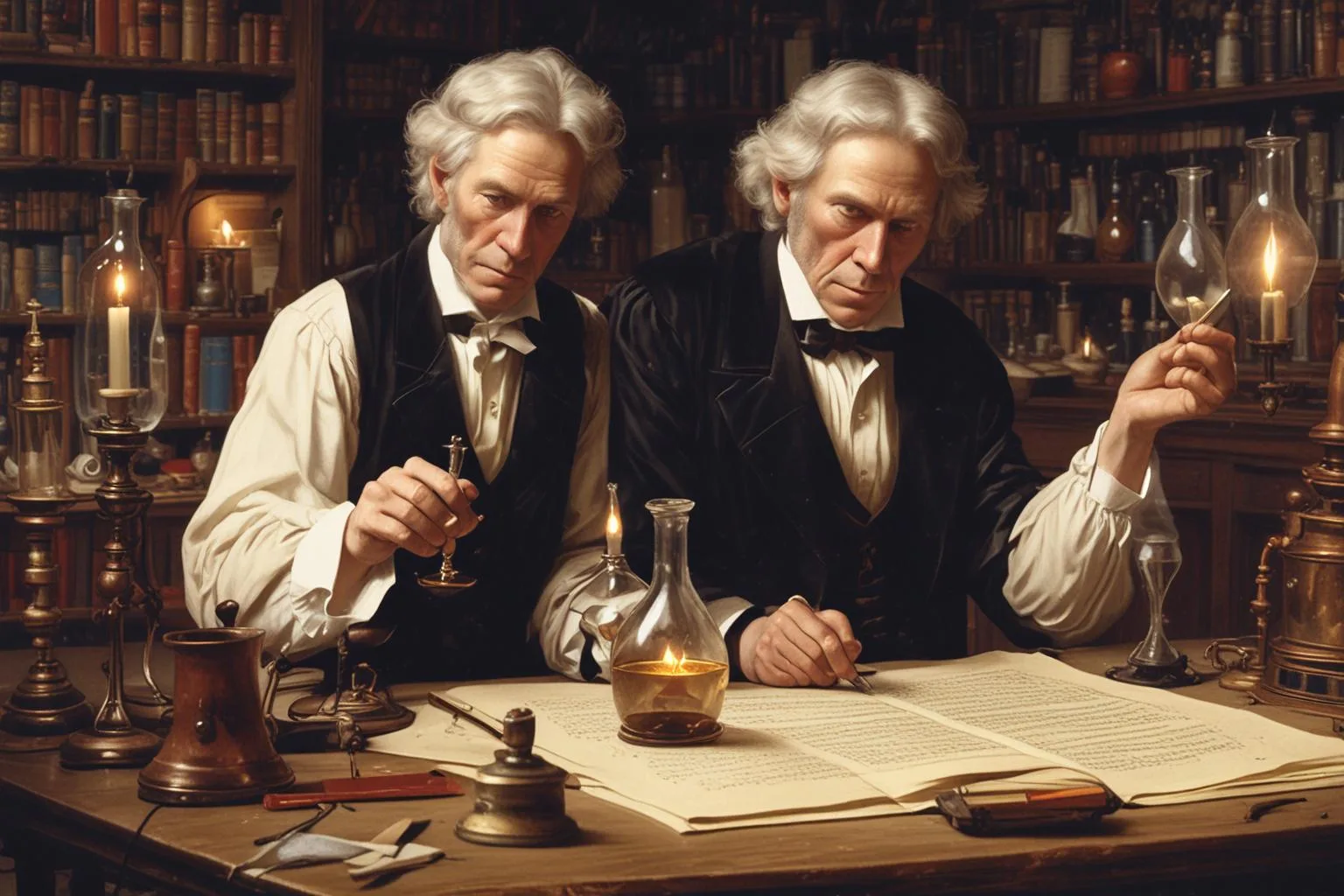
In 1834, Michael Faraday stands in his dimly lit laboratory, the air thick with the scent of copper and sulfuric acid. With a steady hand, he writes down his two groundbreaking laws of electrolysis, coining terms like electrode and electrolyte, forever changing the language of chemistry. The flickering candlelight dances across the pages as he lays the foundation for a new understanding of electrical science.
AI-reconstructed · Chronos
Loading…
Sign in to join the discussion.
World context
1875In the dim light of his laboratory in 1875, Paul Émile Lecoq de Boisbaudran watches as a silvery metal begins to emerge from the murky solution, the result of his meticulous electrolysis experiments. The air is thick with anticipation as he carefully isolates the shimmering gallium, a new element that promises to reshape the landscape of chemistry. Each flicker of the flame reflects his excitement, marking a pivotal moment in the quest for understanding the building blocks of matter.
World context
1886In January 1886, a chemist hunches over a makeshift lab bench, the air thick with anticipation as he mixes alumina with molten cryolite. With a crackle, the electric current surges through the solution, igniting a reaction that will forever change metallurgy. The first gleaming droplets of aluminum form, shimmering like silver in the dim light, heralding a new era in industrial innovation.
World context
1886In the dim light of his laboratory in 1886, Henri Moissan carefully adjusts the apparatus for electrolysis, his heart racing with anticipation. As the electric current flows through the apparatus, a vibrant green gas begins to emerge, filling the room with a sharp, acrid scent—he has isolated fluorine, the first time this elusive element has been captured. Moissan's hands tremble with excitement as he realizes he stands on the brink of a groundbreaking discovery in the realm of chemistry.
World context
1902In 1902, Stanisław Łaszczyński stands before his apparatus, the hum of electricity crackling in the air as he meticulously adjusts the electrodes submerged in a copper sulfate solution. With a surge of current, metallic copper begins to deposit on the cathode, glimmering like freshly minted coins, marking a pivotal moment in the application of electrolysis that will transform industrial processes.
World context
1930In 1930, a chemist stands before a gleaming electrolysis cell, brine bubbling and crackling as electric currents dance through the solution. With each surge, chlorine gas rises in vibrant yellow clouds, while sodium hydroxide forms, a testament to the burgeoning chlor-alkali process that will revolutionize industries worldwide. The air is thick with the scent of salt and innovation, marking a pivotal moment in chemical manufacturing.
Keep exploring