IDEA · POLITICS
Emergence of the First Socialist State
1917 — 1993
The establishment of a communist state reshaped global political dynamics and inspired socialist movements worldwide.
1917 — 1993
The establishment of a communist state reshaped global political dynamics and inspired socialist movements worldwide.
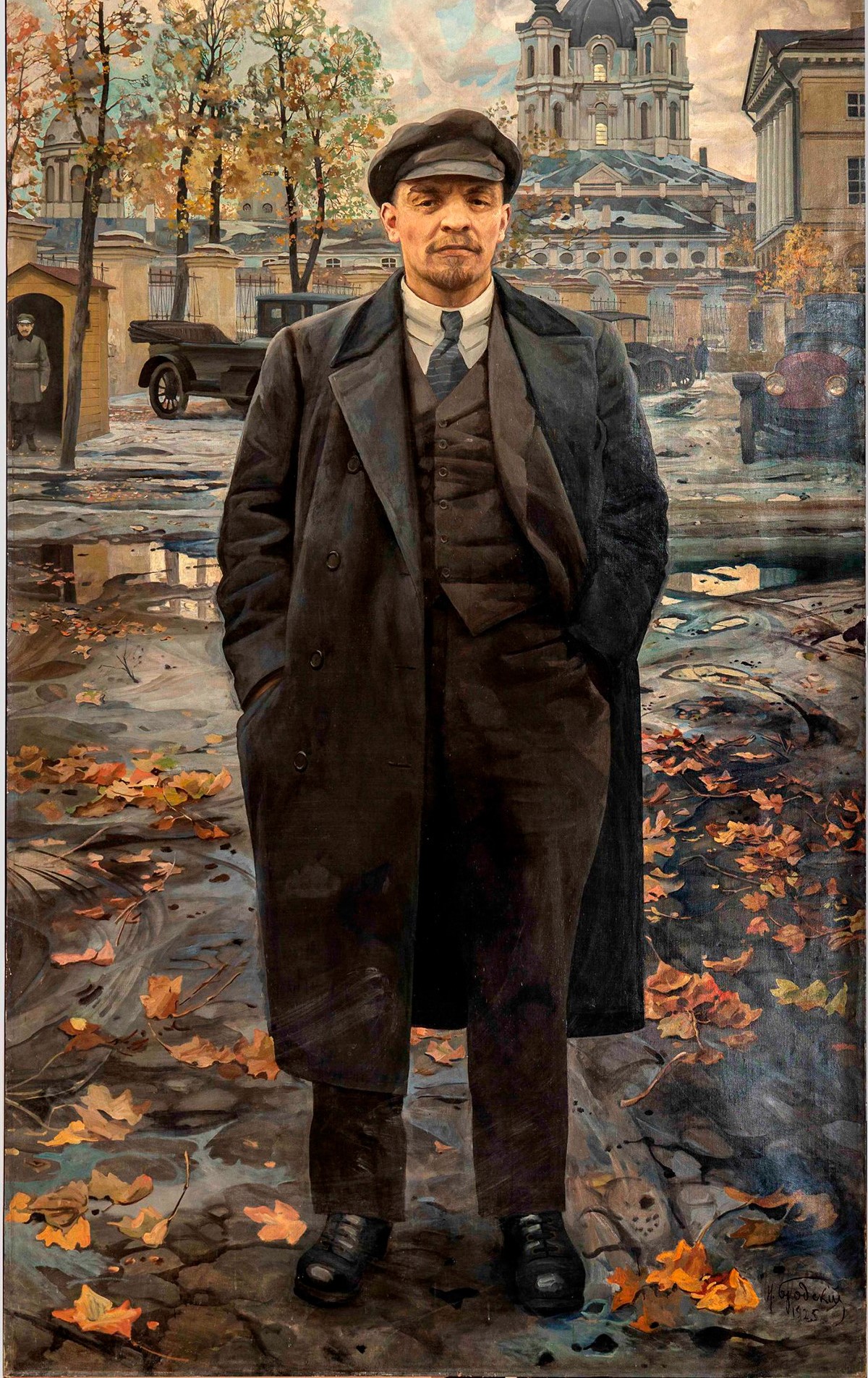
Wikimedia Commons
On November 7, 1917, Vladimir Lenin stands before a crowd in Petrograd, his voice cutting through the crisp autumn air as he declares the establishment of the Russian Soviet Republic. The atmosphere crackles with fervor and uncertainty, as workers and soldiers, emboldened by revolutionary zeal, erupt in cheers, their hopes for a new socialist order igniting the streets. In this moment, the old world begins to crumble, and the dawn of a new political era unfolds.
AI-reconstructed · Chronos
Loading…
Sign in to join the discussion.

Wikimedia Commons
World context
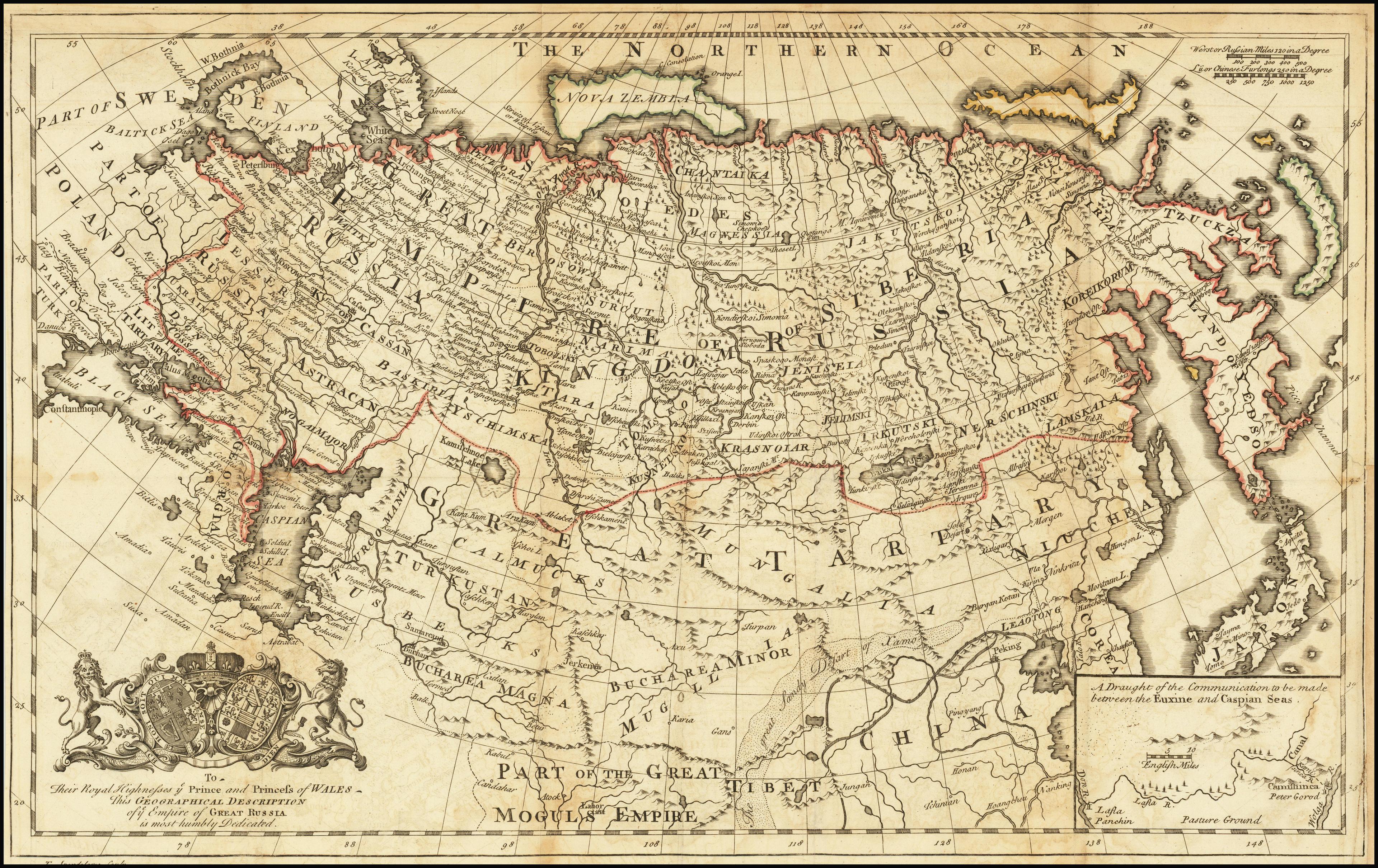
Nov 7, 19171730 map of the Russian Empire by Philipp Johann Strahlenberg

Wikimedia Commons
World context
Nov 7, 1917Bundesarchiv Bild 183-R15068, Leo Dawidowitsch Trotzki
World context
Jan 25, 1918On January 25, 1918, the air in the Smolny Institute crackles with fervor as delegates from across Russia gather for the third meeting of the All-Russian Congress of Soviets. Amidst the clamor of revolutionary zeal, a voice rises above the din, proclaiming the establishment of the Russian Soviet Republic, igniting a new era in the heart of a nation yearning for change. The room erupts in applause, the sound echoing the hopes of a people ready to reshape their destiny.
World context
Mar 3, 1918On March 3, 1918, in a dimly lit room in Brest-Litovsk, the air thick with tension, representatives of the Bolshevik government sign the treaty that will reshape Eastern Europe. With each stroke of the pen, vast territories—Poland, the Baltic states, and parts of Ukraine—slip from Russian hands into the grasp of the German Empire, a stark testament to the tumultuous birth of the first socialist state. Outside, the echoes of revolution still reverberate, but inside, the weight of compromise hangs heavy.
World context
Dec 30, 1922On December 30, 1922, delegates gather in the dimly lit hall of the Bolshoi Theatre, their breath visible in the chill of winter. The air buzzes with anticipation as they raise their hands in unison, approving the Treaty on the Creation of the USSR, a moment that solidifies the union of republics under a single socialist banner. Cheers erupt, echoing off the ornate walls, as the first steps toward a new political order are etched into history.
World context
Jun 12, 1990On June 12, 1990, within the grand halls of the Congress of People's Deputies, a palpable tension fills the air as delegates rise to voice their support for the Declaration of State Sovereignty. The words resonate like a clarion call, signaling a pivotal shift as the Soviet Union's grip begins to wane, and the dream of self-determination ignites fervent hopes among the people. Outside, the streets of Moscow buzz with anticipation, a city on the brink of transformation.
World context
Jun 12, 1991On June 12, 1991, Boris Yeltsin stands before a sea of supporters in Moscow, his voice rising above the cheers as he declares victory in the first presidential election of the Russian Soviet Federative Socialist Republic. The air crackles with hope and uncertainty as he promises to lead the nation towards democracy and reform, marking a pivotal moment in the collapse of the Soviet Union. The crowd waves flags, their faces illuminated by the dawn of a new era.
World context
Aug 8, 1991In August 1991, as the sun rises over Moscow, Mikhail Gorbachev is vacationing in the Crimea, unaware that hardline communists are plotting a coup to seize power. Tanks rumble through the streets, and the air thickens with tension as citizens gather, chanting for democracy, their voices echoing against the backdrop of a crumbling empire. The fate of the Soviet Union hangs in the balance, teetering on the edge of chaos and change.
World context
Dec 8, 1991In the dimly lit forest of Belovezha, on December 8, 1991, Boris Yeltsin, Leonid Kravchuk, and Stanislav Shushkevich gather around a rustic wooden table, their breath visible in the crisp air. With pens poised, they sign the Belovezha Accords, each stroke marking the end of the Soviet Union and the birth of independent nations. The weight of history hangs heavy as they exchange glances, a mix of resolve and uncertainty in their eyes.
World context
Dec 25, 1991On December 25, 1991, Mikhail Gorbachev stands alone in a dimly lit Kremlin office, his resignation speech echoing through the air as he officially relinquishes the presidency of the Soviet Union. Outside, the snow falls softly, blanketing a nation in transition, as the Russian SFSR is reborn as the Russian Federation, marking the end of an era and the dawn of a new political landscape. The world watches, breathless, as the red flag is lowered for the last time, replaced by the tricolor of a new beginning.
World context
Dec 25, 1993On December 25, 1993, in the dimly lit chambers of the Russian parliament, a palpable tension fills the air as the new constitution is adopted, marking the end of the Soviet era. Delegates exchange cautious glances, their breaths held, as the document is signed, signaling a shift from decades of authoritarian rule to a fledgling democracy. Outside, the winter snow blankets Moscow, a silent witness to the birth of a new political landscape.
Keep exploring