IDEA · PHILOSOPHY
Ethics of Ambiguity
1945 — 1947
It reshaped existentialist ethics by emphasizing the importance of ambiguity in human existence.
1945 — 1947
It reshaped existentialist ethics by emphasizing the importance of ambiguity in human existence.

Wikimedia Commons
In 1945, Simone de Beauvoir stands before a captivated audience, her voice steady and resolute as she critiques Jean-Paul Sartre's existentialism. She argues passionately that his philosophy, while groundbreaking, cannot serve as a foundation for an ethical system, emphasizing the inherent ambiguity of human existence. The air is thick with tension as she challenges the very principles that underpin Sartre's thought, igniting a fervent debate that will ripple through the philosophical community.
AI-reconstructed · Chronos
Loading…
Sign in to join the discussion.
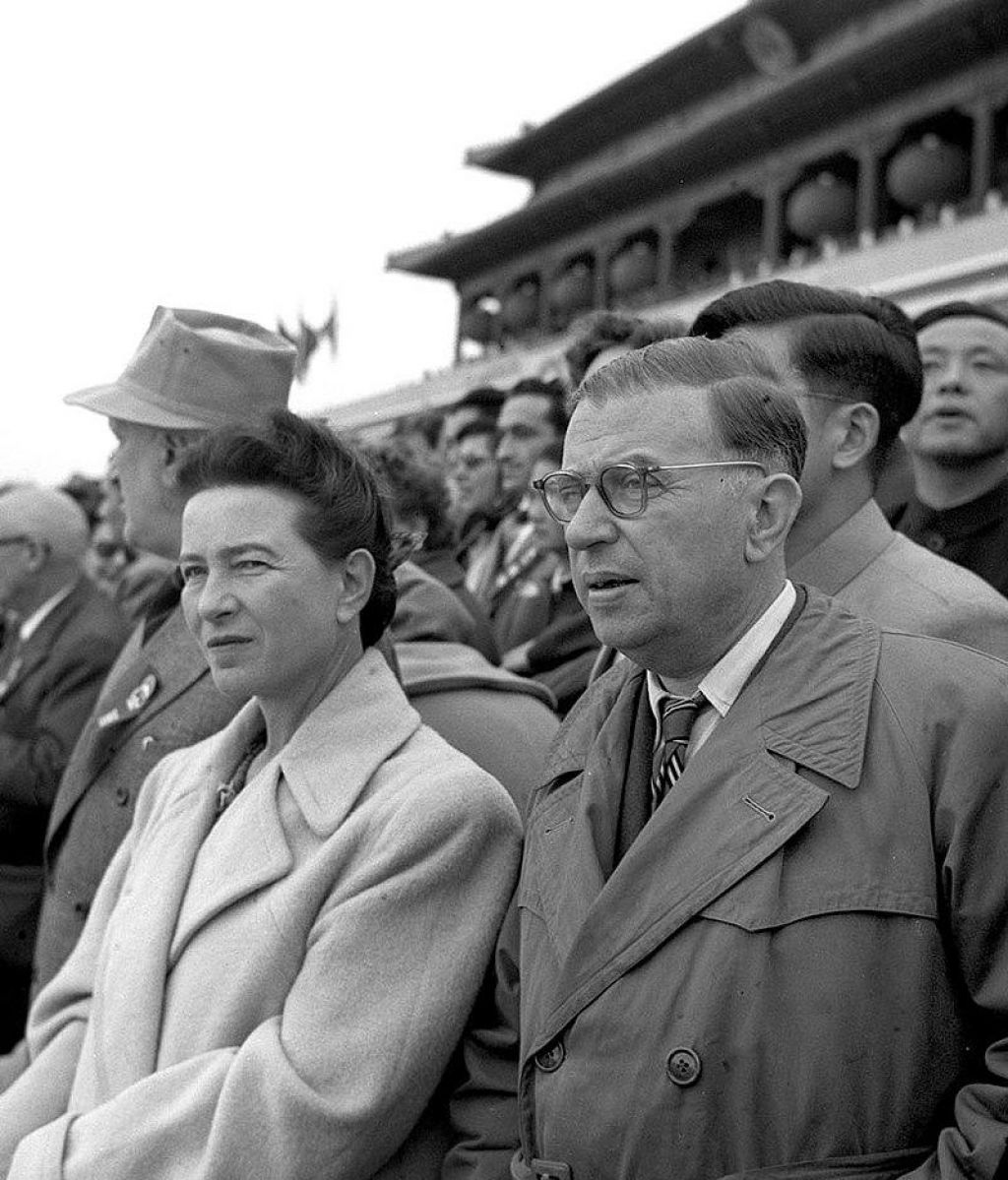
Wikimedia Commons
In 1946, Simone de Beauvoir sits at her desk in Paris, the faint aroma of coffee mingling with the scent of ink and paper. Inspired by her recent lecture on existentialism, she begins to craft the intricate arguments of *The Ethics of Ambiguity*, her pen gliding across the page as she explores the complexities of freedom and responsibility. Each word reflects her fierce commitment to understanding the human condition, a testament to her role as a pioneer in feminist philosophy.
AI-reconstructed · Chronos
Loading…
Sign in to join the discussion.

Wikimedia Commons
In November 1947, Simone de Beauvoir's "The Ethics of Ambiguity" emerges as a complete book, following its serialized release in Les Temps modernes. The air is thick with intellectual fervor as she challenges the conventions of existentialism, urging readers to embrace the complexities of freedom and responsibility. Her words resonate in the smoky cafes of Paris, igniting debates among philosophers and activists alike.
AI-reconstructed · Chronos
Loading…
Sign in to join the discussion.
Keep exploring