IDEA · PHYSICS
Electromagnetism Foundations
600 — 1905
Electromagnetism laid the groundwork for advancements in technology and understanding of the universe.
600 — 1905
Electromagnetism laid the groundwork for advancements in technology and understanding of the universe.
World context
600In 600 BCE, Thales of Miletus stands in the warm glow of the Aegean sun, his fingers brushing against a piece of amber. As he rubs it with a soft cloth, he watches in awe as tiny bits of straw leap toward the amber, drawn by an unseen force. This moment marks the dawn of understanding electricity, a spark igniting the future of physics.

Wikimedia Commons
World context
600A Treatise on Electricity and Magnetism Volume 2 003
Wikimedia Commons
World context
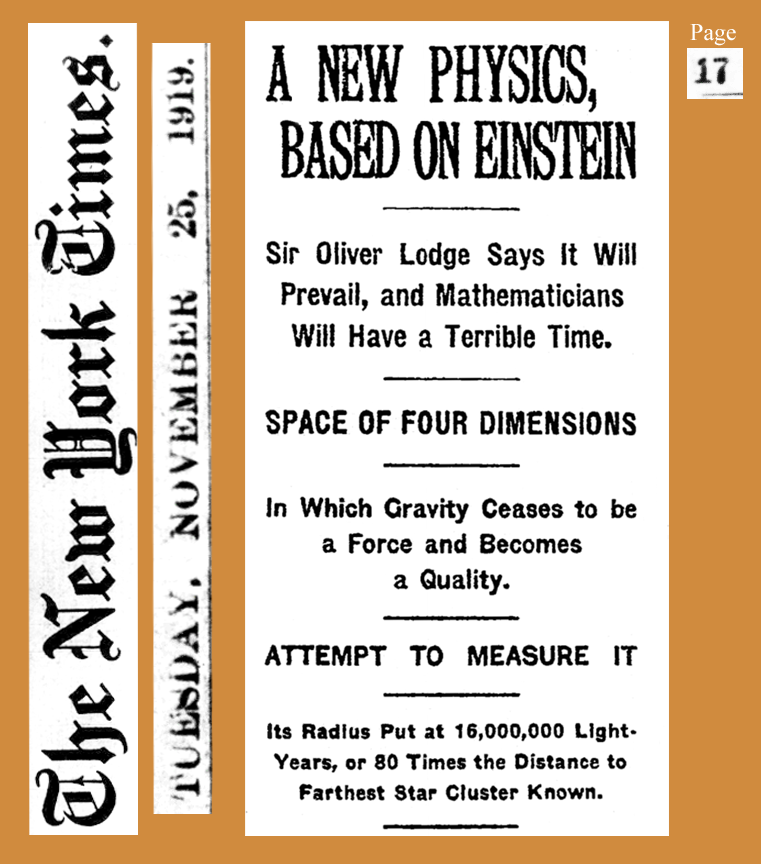
60019191125 A New Physics Based on Einstein - The New York Times
World context
1600In 1600, William Gilbert stands in his dimly lit study, surrounded by an array of lodestones and amber. He meticulously records his observations, boldly proposing that electricity and magnetism are not intertwined but distinct phenomena, forever altering the course of scientific thought. The crackle of static fills the air as he experiments, igniting a spark of curiosity that will illuminate the path of physics for centuries to come.
World context
May 10, 1752On May 10, 1752, Thomas-François Dalibard stands atop a hill in Marly-la-Ville, France, gripping an iron rod as dark clouds swirl ominously above. With a crack of thunder, a brilliant flash of lightning strikes the rod, sending sparks dancing through the air and confirming the electric nature of the storm. The air crackles with the energy of discovery, as Dalibard's experiment bridges the gap between the natural world and the emerging science of electricity.

Matteo Ianeselli · CC BY-SA 3.0
World context
1802In 1802, Gian Romagnosi stands in his dimly lit study, quill in hand, as he meticulously documents his groundbreaking discovery: a profound connection between electric current and magnetism. The flickering candlelight dances across the pages, illuminating the sketches of his experiments, where iron filings align in response to the invisible forces he is beginning to understand. This moment marks a pivotal step in the foundations of electromagnetism, setting the stage for a revolution in physics.
World context
1820In January 1820, Hans Christian Ørsted stands in his dimly lit laboratory, a copper wire coiled on the table before him. As he completes the circuit, the compass needle nearby shudders and shifts, defying its usual stillness, revealing an unseen connection between electricity and magnetism. The air crackles with possibility as Ørsted realizes he has stumbled upon a fundamental principle that will reshape the understanding of physics.
World context
1873In 1873, James Clerk Maxwell stands in his study, quill poised above parchment, as he finalizes "A Treatise on Electricity and Magnetism." The air crackles with the weight of his revelations, weaving together the once-separate realms of electricity and magnetism into a cohesive theory that will illuminate the path for future generations of physicists. Outside, the world remains unaware that a new era of understanding is about to unfold.

Wikimedia Commons
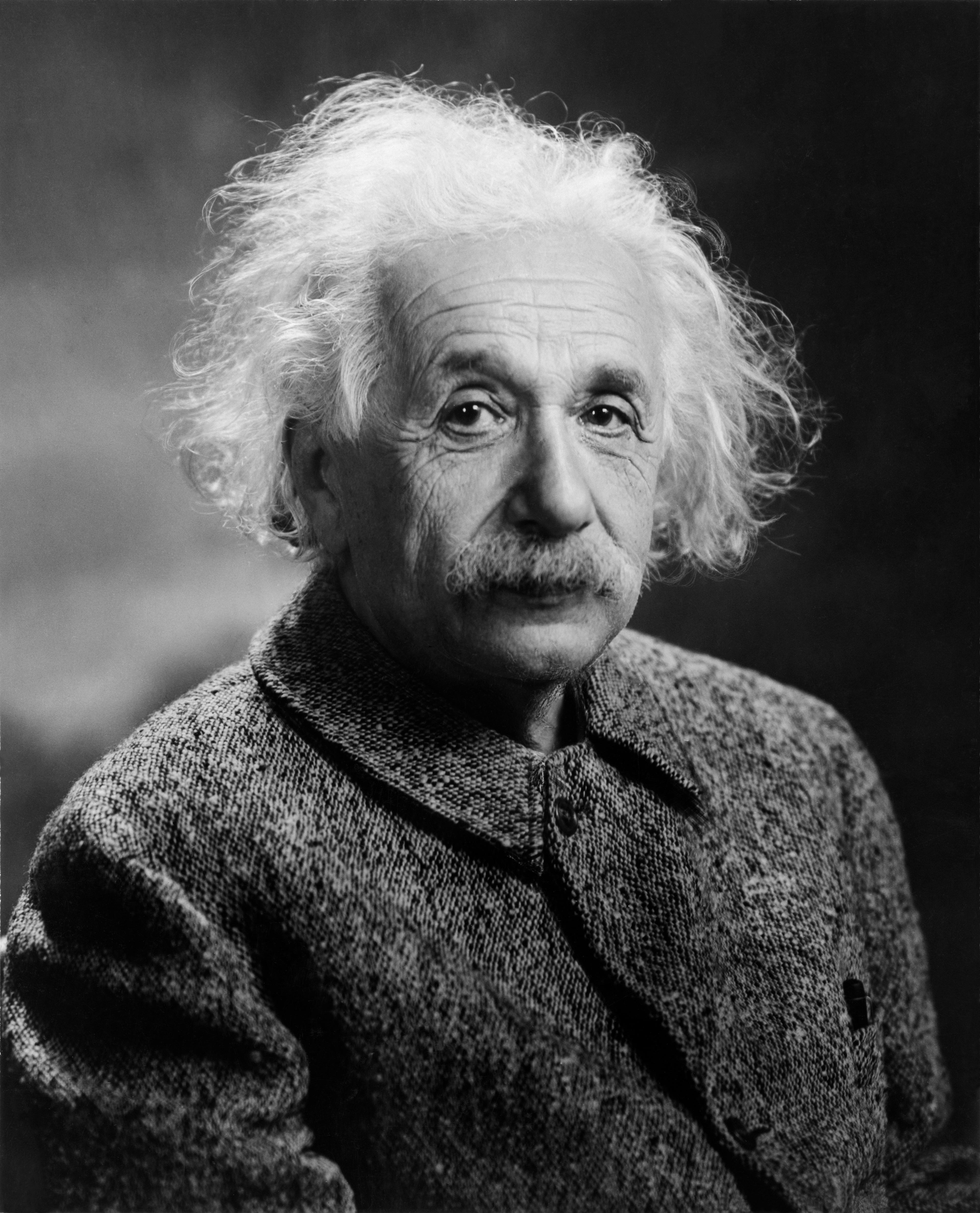
In January 1905, Albert Einstein sits in a quiet café in Bern, Switzerland, scribbling furiously on a notepad. He deftly weaves together the threads of electromagnetism and classical mechanics, unveiling his groundbreaking theory of special relativity, which challenges the very fabric of time and space. The air is thick with the scent of coffee and possibility as he reshapes the future of physics.
AI-reconstructed · Chronos
Loading…
Sign in to join the discussion.
Keep exploring