ERA OF INNOVATION · POLITICS
Era of Socialist Movements
1832 — 2013
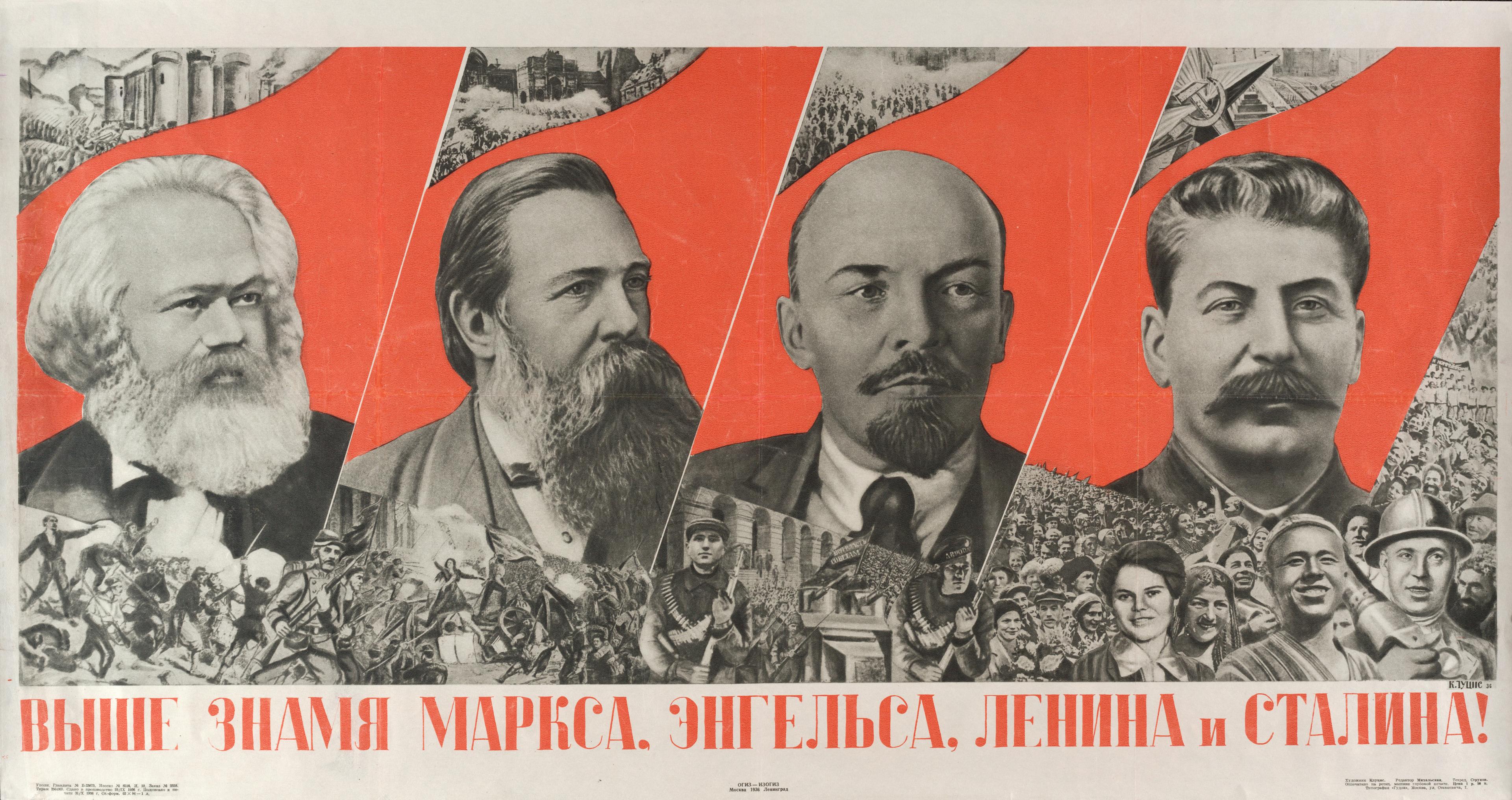
The socialist movements fundamentally reshaped political landscapes and influenced labor rights worldwide.
1832 — 2013
The socialist movements fundamentally reshaped political landscapes and influenced labor rights worldwide.
World context
1832In the bustling heart of Paris, 1832, Pierre Leroux pens an article for Le Globe, his quill scratching against the paper as he introduces the term "socialism" to the world. The ink dries, and with it, a new ideology begins to take root, promising a vision of society where collective well-being triumphs over individual gain. Around him, the air is thick with revolutionary fervor, as thinkers and workers alike stir in anticipation of change.
Wikimedia Commons
World context
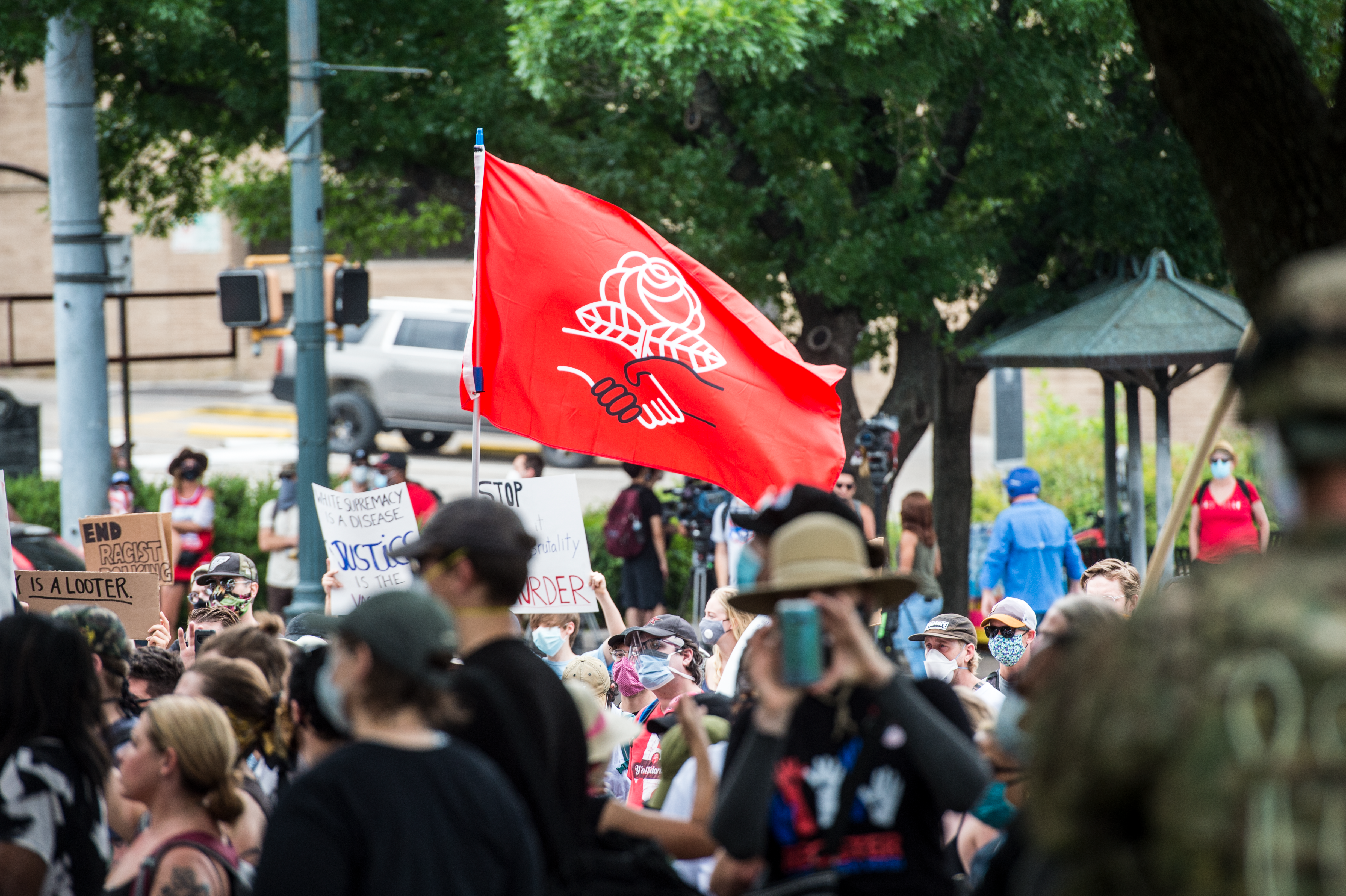
1832Austin, TX Demonstrations on 31 May - 49985139338
Wikimedia Commons
World context
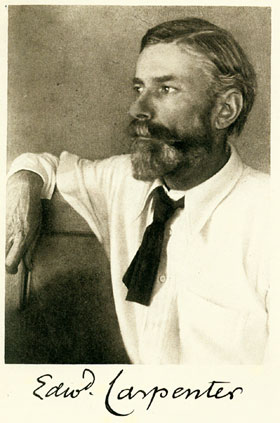
1832Day, Fred Holland (1864–1933) - Edward Carpenter

Wikipedia / Wikimedia Commons
In the dim light of a cramped London office, Friedrich Engels hunches over a cluttered desk, ink-stained fingers flying across the pages. It is January 1847, and the air is thick with revolutionary fervor as he collaborates with Karl Marx, crafting a manifesto that will ignite the hearts of the working class across Europe. The words flow like a battle cry, calling for the overthrow of capitalist oppression and the unification of the proletariat.
AI-reconstructed · Chronos
Loading…
Sign in to join the discussion.
World context
Dec 1899On December 1, 1899, in the sun-drenched halls of Queensland's Parliament, Anderson Dawson stands resolute as he leads the Australian Labor Party into history, declaring the dawn of the world's first socialist government. The air buzzes with fervent hope and palpable tension as workers and their families gather outside, their faces alight with the promise of change, while inside, Dawson's voice echoes with visions of a fairer society.
World context
1949On January 1, 1949, the air in Beijing crackles with anticipation as Mao Zedong stands before a sea of eager faces, declaring the establishment of the People's Republic of China. The echoes of revolutionary fervor resonate through the crowd, marking the dawn of a new era where socialism takes root, promising a state-led economy that aims to reshape the lives of millions. Flags wave and voices rise in unison, a collective hope igniting the streets as the sun rises on this transformative chapter in history.
World context
1989In the crisp air of January 1, 1989, crowds gather in Warsaw, their breath visible in the cold, as they chant for freedom and reform. The spirit of change electrifies the atmosphere, igniting hope across Eastern Europe as the iron grip of communism begins to falter, signaling a new dawn on the horizon.
World context
1990In the sweltering heat of January 1, 1990, leaders of the Workers' Party gather in São Paulo, their voices rising in fervor as they launch the São Paulo Forum. This moment marks a bold attempt to unite left-wing socialist parties across Latin America, igniting hopes of solidarity and collective action against neoliberal policies sweeping the region. The air is thick with ambition and the promise of a new political dawn.
World context
2013On January 1, 2013, in the heart of Berlin, a diverse group of politicians and activists gather in a sunlit conference room, their voices rising in fervent discussion. They unite under the banner of the Progressive Alliance, determined to reshape global politics by advocating for social justice and environmental sustainability, echoing the ideals of the Socialist International. The air buzzes with hope and ambition as they draft a manifesto that promises to bridge divides and inspire a new wave of progressive movements worldwide.
Keep exploring