INVENTION JOURNEY · ENGINEERING
Development of the Electric Power Station
1871 — 2018
The electric power station revolutionized energy generation and distribution, laying the foundation for modern electrical infrastructure.
1871 — 2018
The electric power station revolutionized energy generation and distribution, laying the foundation for modern electrical infrastructure.
World context
1871In 1871, Zénobe Gramme stands in his workshop, surrounded by the hum of machinery and the scent of metal and oil. With a decisive turn of a crank, he unveils his revolutionary generator, its copper coils glowing with the promise of electric power, ready to illuminate factories and transform industry forever. The air crackles with potential as he envisions a world powered by his invention, a bold leap into the future of energy.

Wikimedia Commons
World context
1871Strojarnica Hidroelektrane Krka - Vjekoslav Meichsner (desno) sa suradnicima
Wikimedia Commons
World context
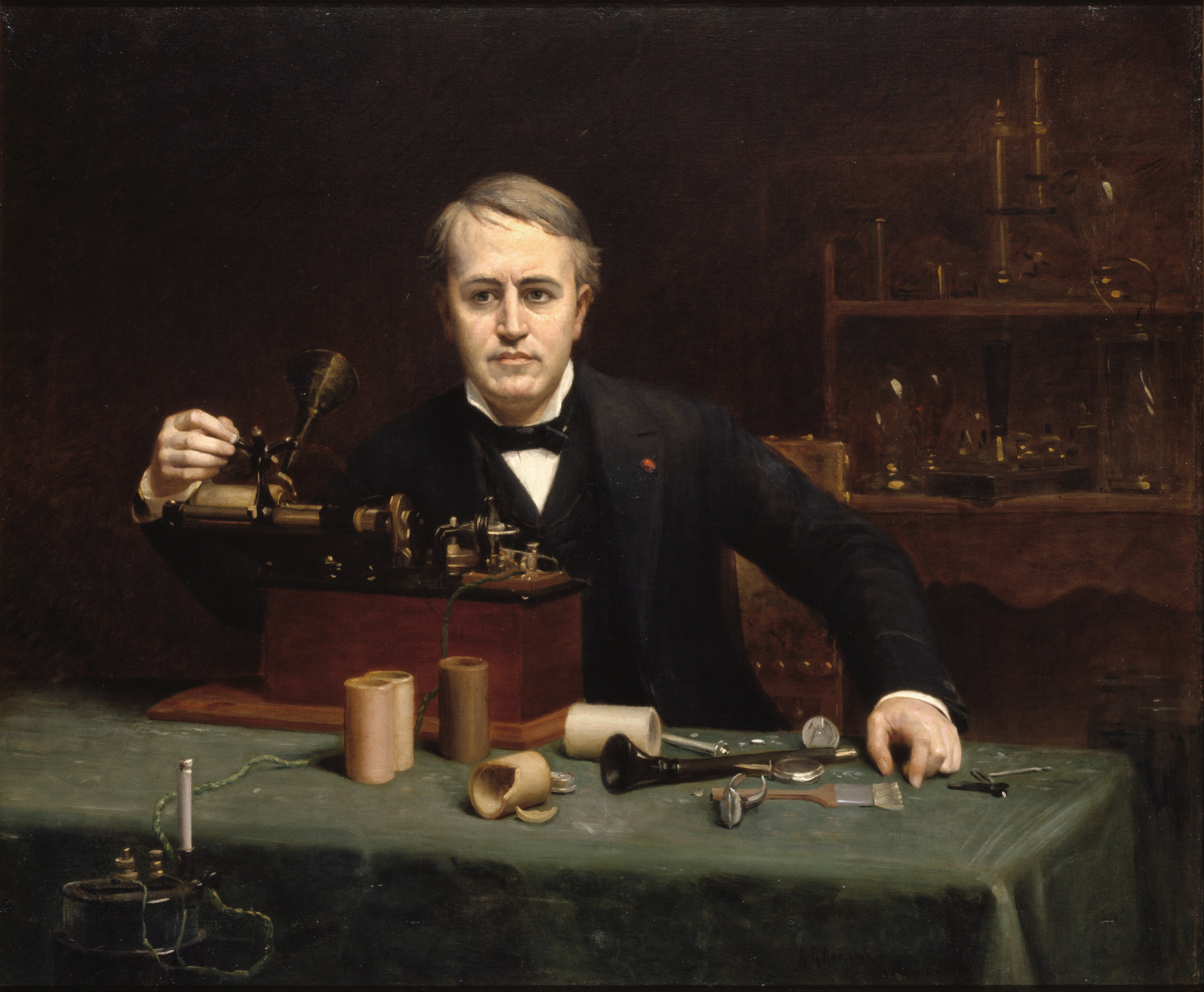
1871Abraham Archibald Anderson - Thomas Alva Edison - Google Art Project
World context
1878In 1878, William Armstrong stands amidst the rugged landscape of Cragside, England, as the hum of machinery fills the air. With meticulous precision, he oversees the final touches on his groundbreaking hydroelectric power station, harnessing the rushing waters of the River Rothbury to illuminate his grand estate. The flicker of electric light dances across the walls, a testament to the dawn of a new era in engineering and energy.

Wikimedia Commons
In 1882, the hum of machinery fills the air as the Edison Electric Light Station in London flickers to life, illuminating the dark streets for the first time. Thomas Edison stands amidst the clamor, watching coal smoke rise from the towering chimneys, a testament to his vision of a new era powered by electricity. The city awakens, bathed in the glow of incandescent bulbs, as the dawn of modern energy begins.
AI-reconstructed · Chronos
Loading…
Sign in to join the discussion.

Wikipedia / Wikimedia Commons
In 1882, the hum of machinery fills the air as Thomas Edison stands proudly before the newly established Pearl Street Station in lower Manhattan. The flicker of electric lights ignites the darkness, illuminating the streets and transforming the city into a beacon of modernity. This moment marks the dawn of a new era, where electricity breathes life into the bustling metropolis.
AI-reconstructed · Chronos
Loading…
Sign in to join the discussion.

Wikipedia / Wikimedia Commons
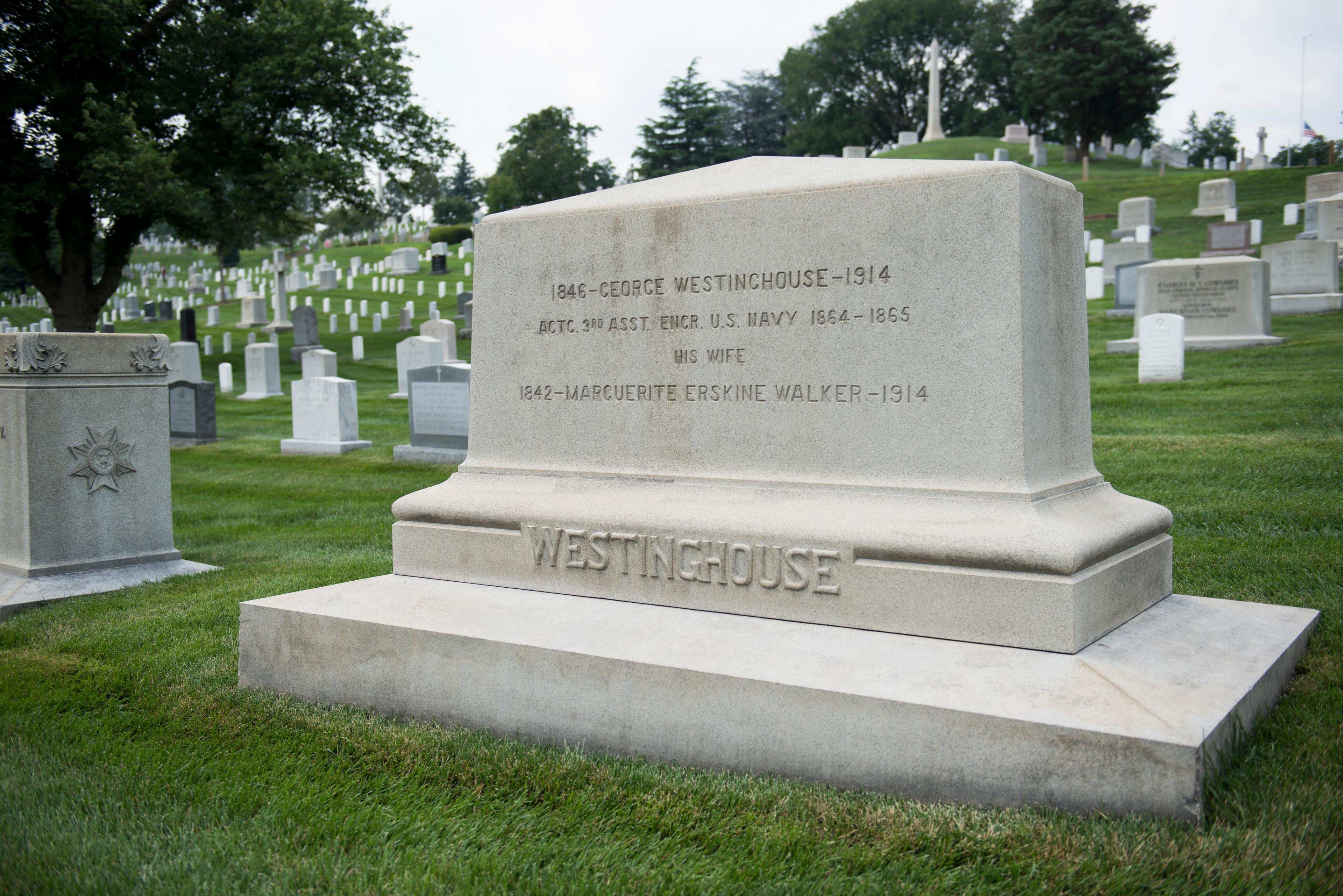
In 1886, George Westinghouse Jr. stands in his bustling workshop, blueprints unfurled across the table, as he envisions a revolutionary alternating current system. The air hums with the promise of electricity, and the clatter of machinery fills the room, each sound a step toward transforming how power will flow across cities and into homes. His determination ignites a new era in engineering, where distance no longer limits the reach of light and energy.
AI-reconstructed · Chronos
Loading…
Sign in to join the discussion.
World context
1906In 1906, the hum of innovation fills the air as engineers huddle around the newly installed steam turbine at the central power station. With each turn of the turbine, the whirring machinery breathes life into the city, promising an era of unparalleled electrical capacity and illuminating the dark corners of homes and streets alike. The flicker of electric lights begins to dance in the windows, a testament to the dawn of a new age in energy production.

Wikimedia Commons
World context
2018In January 2018, engineers and executives from Inter RAO UES and State Grid gather in a conference room in Moscow, their faces illuminated by the glow of digital blueprints. They discuss the ambitious plans for an 8-GW thermal power plant, a colossal project that promises to reshape Russia's energy landscape, as the scent of fresh coffee mingles with the palpable excitement of innovation. Outside, the winter chill contrasts sharply with the heated aspirations of those determined to harness the power of coal for a new era.
Keep exploring