
← BackPerson
“Emmeline Pankhurst was a British political activist and leader of the women's suffragette movement, known for her role in securing voting rights for women in the United Kingdom.”
Wikipedia / Wikimedia Commons
Connections
 Russian Soviet Federative Socialist Republic
Influenced · 1917
Friedrich Engels' writings on socialism and communism significantly influenced the ideologies underpinning the Russian Revolution of 1917, which led to the establishment of the Russian Soviet Federative Socialist Republic.
“Without Engels, there would be no Marxism.”
 Karl Marx
Influenced · 1883
Karl Marx's writings and theories significantly influenced the ideological underpinnings of the suffragette movement, especially in terms of class struggle and social equality. Many suffragettes adopted Marxist principles to support their arguments for women's rights and suffrage.
““Just as [women] have suffered for centuries from the systematic oppression of their gender, they have also experienced a universal class struggle.””
 Kimberlé Williams Crenshaw
Influenced · 1959
Marxist feminism builds on the ideas of Karl Marx and integrates feminist theories, which has roots in the struggles of the suffragettes. This influence is evident in how feminist activism later adopted Marxist critiques of capitalism and patriarchy to advocate for women's rights.
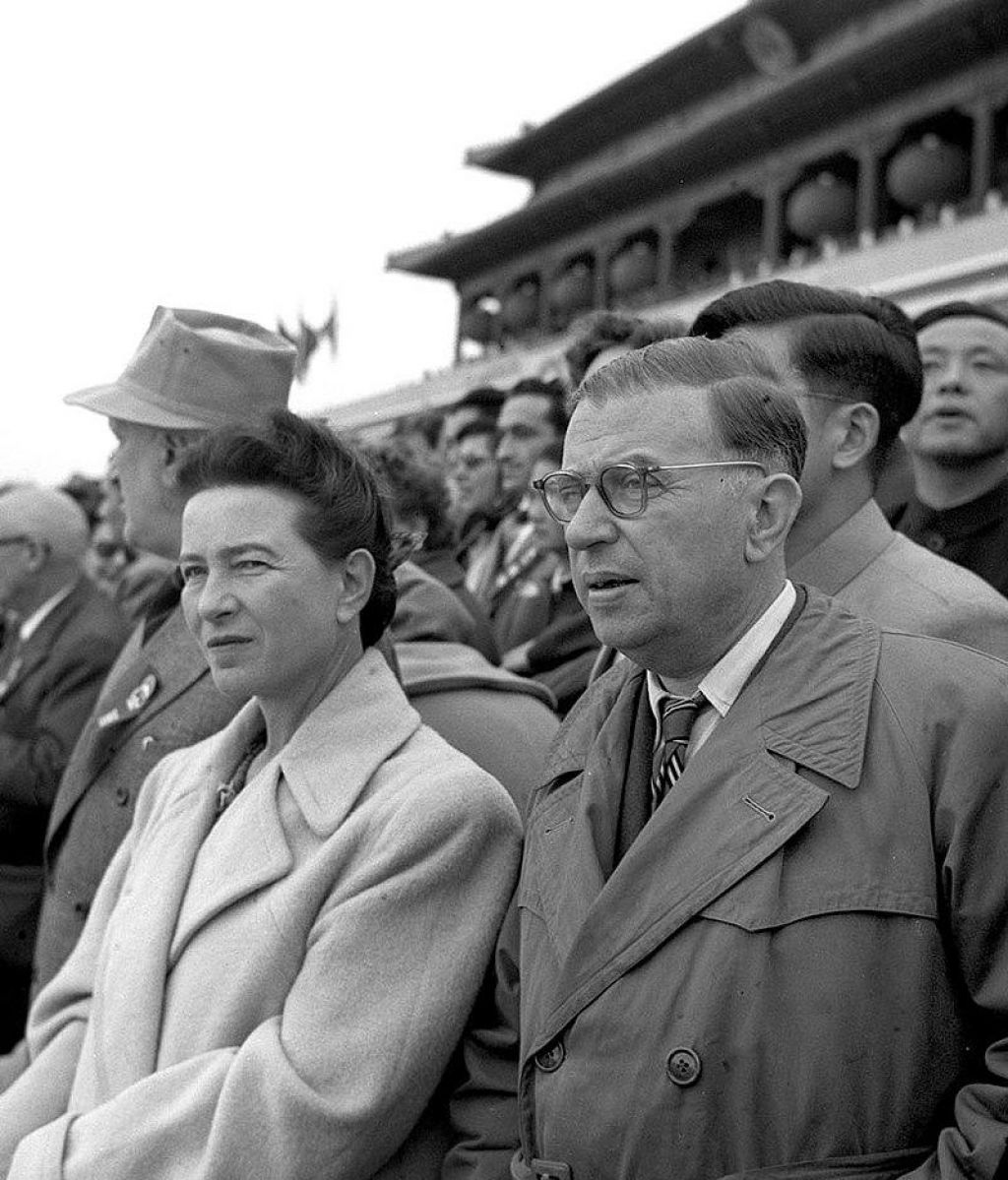 Simone de Beauvoir
Contemporary
Simone de Beauvoir and the Suffragette movement both emerged from a context of intense struggle for women's rights. While de Beauvoir was not directly involved with the Suffragette movement, her work in feminism and existential philosophy has drawn upon the foundational ideas instigated by the suffragists.
- Simone de Beauvoir
Influenced · 1910
The Suffragette movement, particularly its early waves, influenced de Beauvoir's understanding of women's rights and liberation that she later articulated in her seminal work. Her advocacy for women's rights echoed the efforts of suffragettes who fought for suffrage in various countries.
 Friedrich Engels
Contemporary · 1858
The Suffragette movement arose in the late 19th century as a response to systemic gender inequality, echoing Engels' critiques of capitalism and social structures in works like 'The Origin of the Family, Private Property and the State'. Both movements seek to address broader concerns of social justice.
- +2 more connections
Intellectual lineage
Influenced by
- Simone de Beauvoir (direct)See path →
- Russian Soviet Federative Socialist Republic (direct)See path →
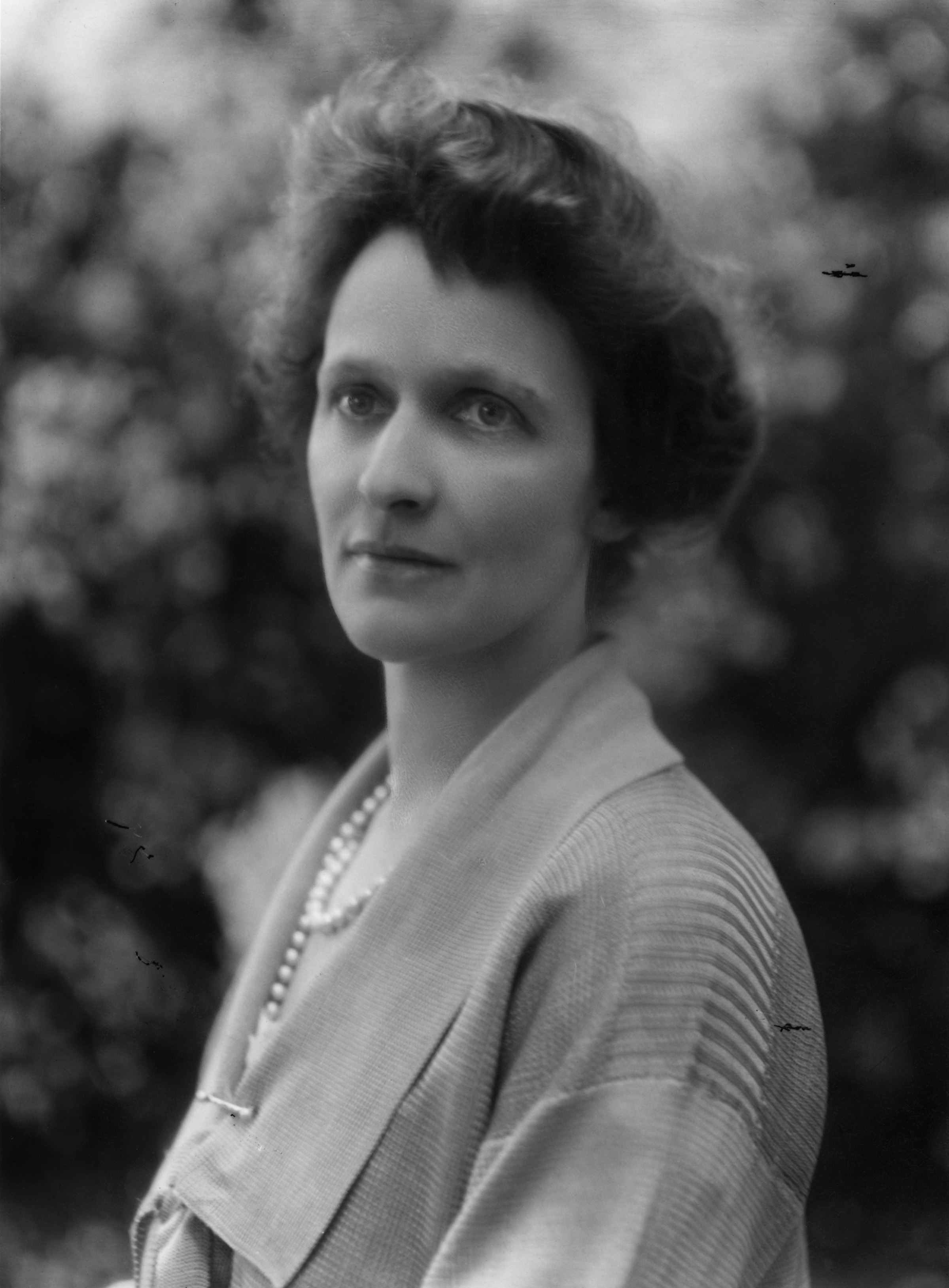 Nancy Astor, Viscountess Astor (1 hop via Beauvoir)See path →
- Kimberlé Williams Crenshaw (1 hop via Beauvoir)See path →
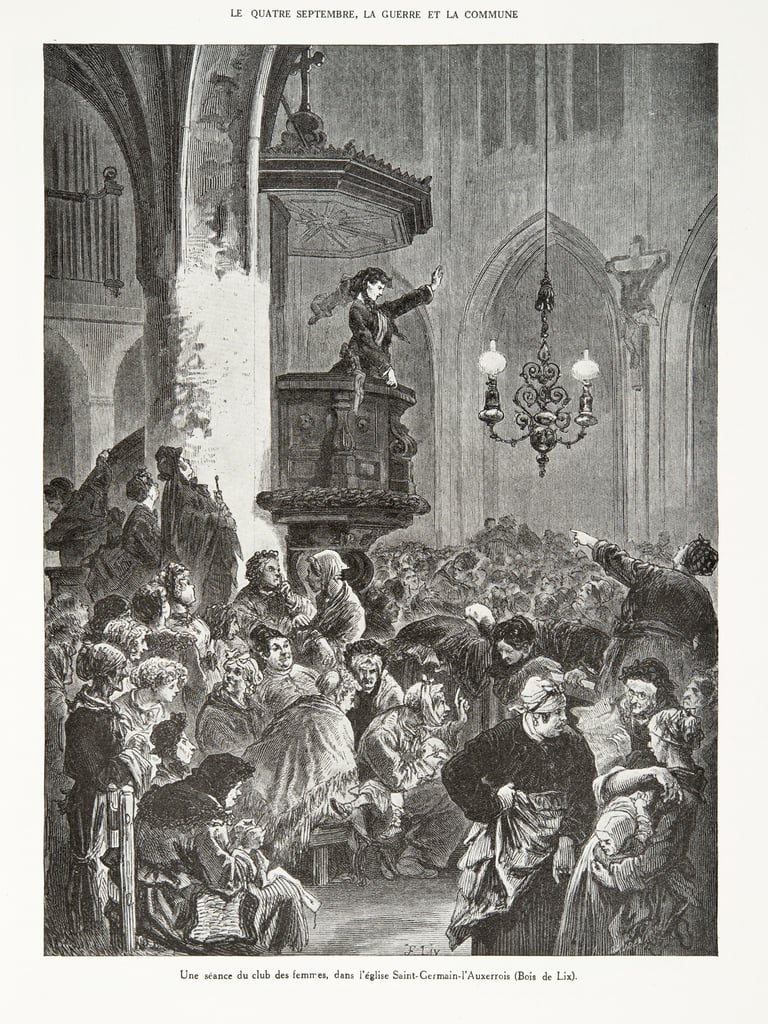 Paris Commune (2 hops via Crenshaw, Beauvoir)See path →
Influenced
- Kimberlé Williams Crenshaw (direct)See path →
- Karl Marx (direct)See path →
- Simone de Beauvoir (1 hop via Crenshaw)See path →
 Vladimir Lenin (1 hop via Marx)See path →
- Friedrich Engels (2 hops via Crenshaw, Beauvoir)See path →
Connected figures
Suggested figures
Russian Soviet Federative Socialist RepublicConnected to SuffragetteKarl MarxConnected to SuffragetteKimberlé Williams CrenshawConnected to SuffragetteSimone de BeauvoirConnected to SuffragetteSimone de BeauvoirConnected to SuffragetteFriedrich EngelsConnected to SuffragetteNancy Astor, Viscountess AstorConnected to Suffragette