← BackPerson
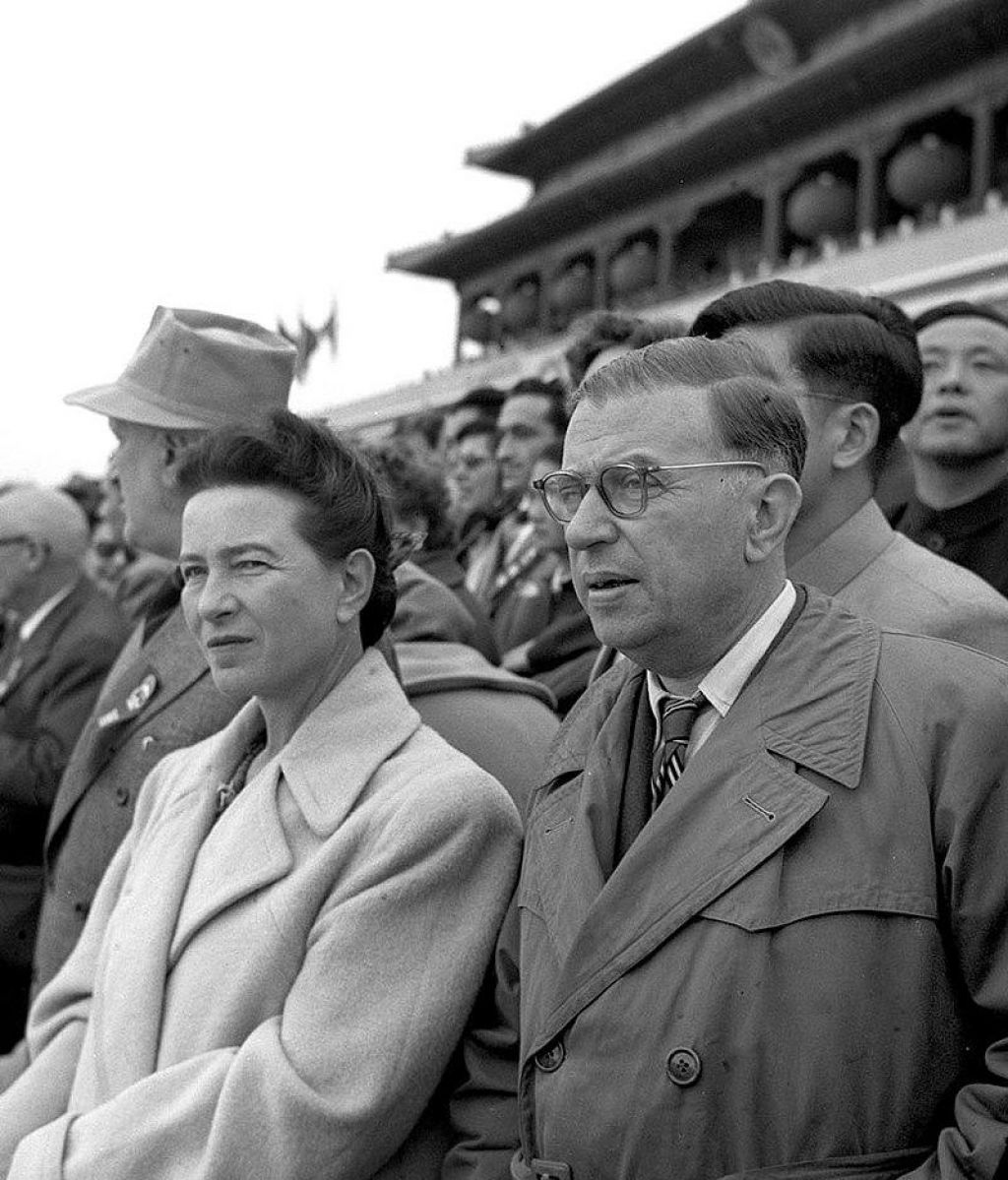
Simone De Beauvoir
1908 – 1986
PhilosophySocial TheoryFeminismLiteraturephilosophysocial theoryactivismfeminism
“Simone de Beauvoir was a French existentialist philosopher and feminist activist known for her influential works on existentialism and feminist theory.”
Wikipedia / Wikimedia Commons
Connections
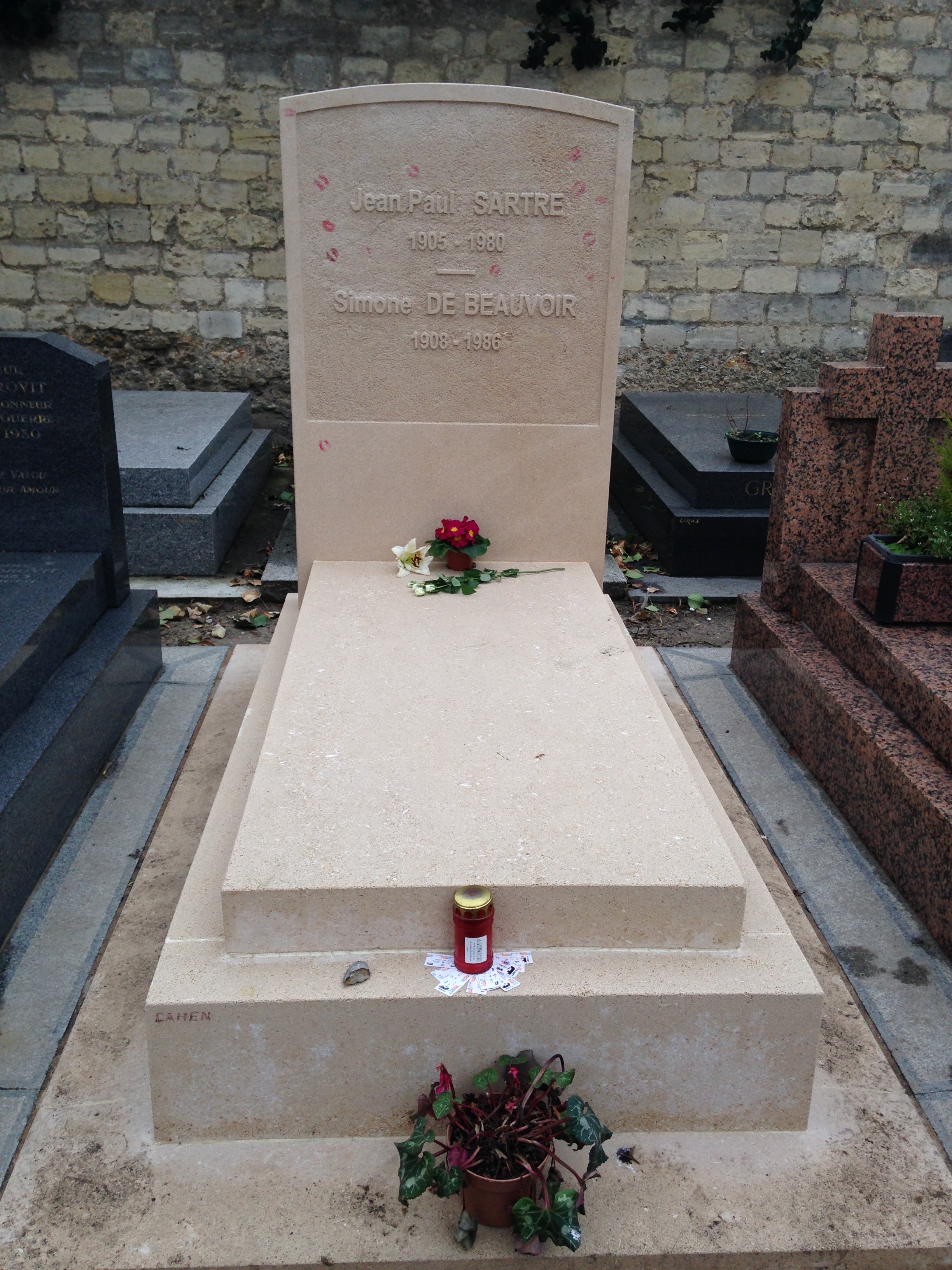 Jean-Paul Sartre
Collaborated · 1949
Jean-Paul Sartre and Simone de Beauvoir had a significant intellectual partnership and collaboration, influencing each other's work in existentialism and feminism. Their relationship extended beyond personal affiliation to shared philosophical and political endeavors.
“I am not a woman. I am a human being.”
 Friedrich Engels
Influenced · 1949
Simone de Beauvoir was notably influenced by the socialist and feminist ideas of Friedrich Engels, particularly in her writings on women's oppression in 'The Second Sex.' Engels' works on the family and gender roles provided a foundational understanding that shaped de Beauvoir's arguments about existentialism and feminism.
“No one is born a woman, but rather becomes one.”
 Vladimir Lenin
Influenced · 1949
Simone de Beauvoir's existentialist philosophy was influenced by the revolutionary ideas of Vladimir Lenin, particularly concerning the role of the individual in social movements, as she explored in 'The Second Sex'.
“Freedom is a constantly acquired and won experience.”
 Marxist feminism
Contemporary
Simone de Beauvoir and Marxist feminism emerged in the same intellectual milieu, contributing to discussions of gender and class struggles in the mid-20th century. While not directly engaged with each other, de Beauvoir's existentialist feminism and the tenets of Marxist feminism significantly intersected in the discourse on women's liberation.
 Kimberlé Williams Crenshaw
Influenced · 1989
Crenshaw's work in critical race theory is influenced by the feminist ideas posited by Simone de Beauvoir, particularly in relation to the intersection of race and gender. Beauvoir's discussions on women's oppression and the need for liberation resonate with Crenshaw's arguments regarding the unique experiences of women of color in a patriarchal and racially stratified society.
“One is not born, but rather becomes, a woman.”
 Suffragette
Influenced · 1910
The Suffragette movement, particularly its early waves, influenced de Beauvoir's understanding of women's rights and liberation that she later articulated in her seminal work. Her advocacy for women's rights echoed the efforts of suffragettes who fought for suffrage in various countries.
- +7 more connections
Intellectual lineage
Influenced by
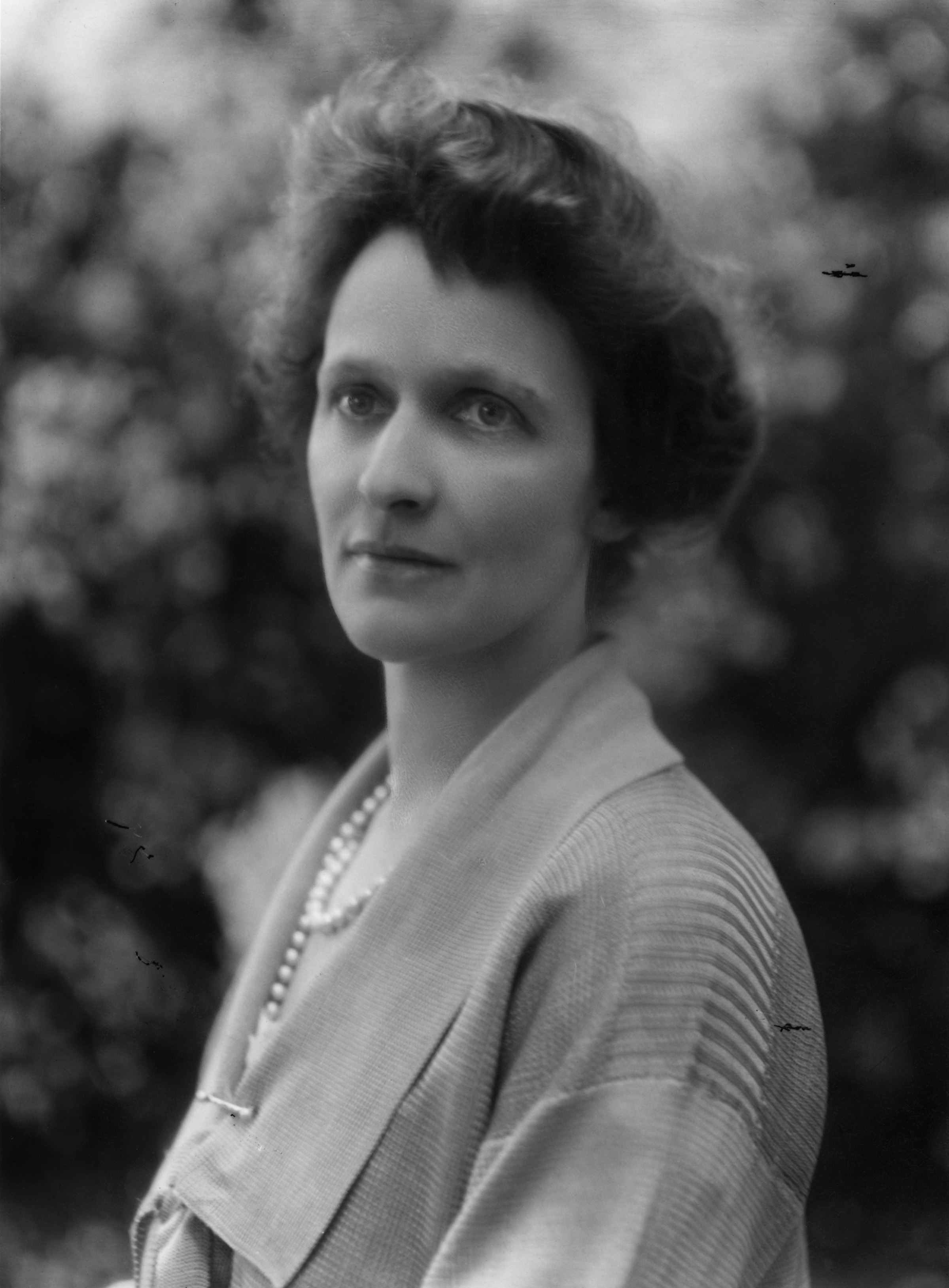 Nancy Astor, Viscountess Astor (direct)See path →
- Kimberlé Williams Crenshaw (direct)See path →
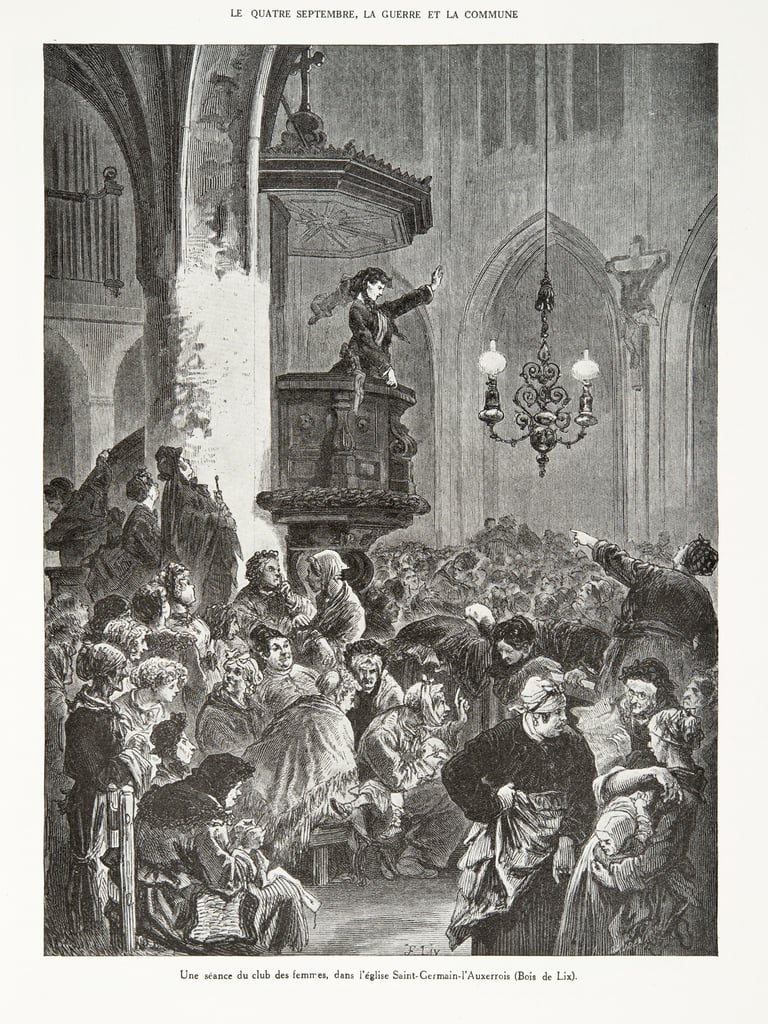 Paris Commune (1 hop via Crenshaw)See path →
- Suffragette (1 hop via Crenshaw)See path →
 Russian Soviet Federative Socialist Republic (2 hops via Suffragette, Crenshaw)See path →
Influenced
- Suffragette (direct)See path →
 Karl Marx (direct)See path →
- Vladimir Lenin (direct)See path →
- Friedrich Engels (direct)See path →
Connected figures
Suggested figures
Jean-Paul SartreConnected to Simone de Beauvo…Friedrich EngelsConnected to Simone de Beauvo…Vladimir LeninConnected to Simone de Beauvo…Marxist feminismConnected to Simone de Beauvo…Kimberlé Williams CrenshawConnected to Simone de Beauvo…SuffragetteConnected to Simone de Beauvo…Nancy Astor, Viscountess AstorConnected to Simone de Beauvo…Karl MarxConnected to Simone de Beauvo…Friedrich EngelsConnected to Simone de Beauvo…Marxist feminismConnected to Simone de Beauvo…SuffragetteConnected to Simone de Beauvo… Laura MarxConnected to Simone de Beauvo…