← BackPerson
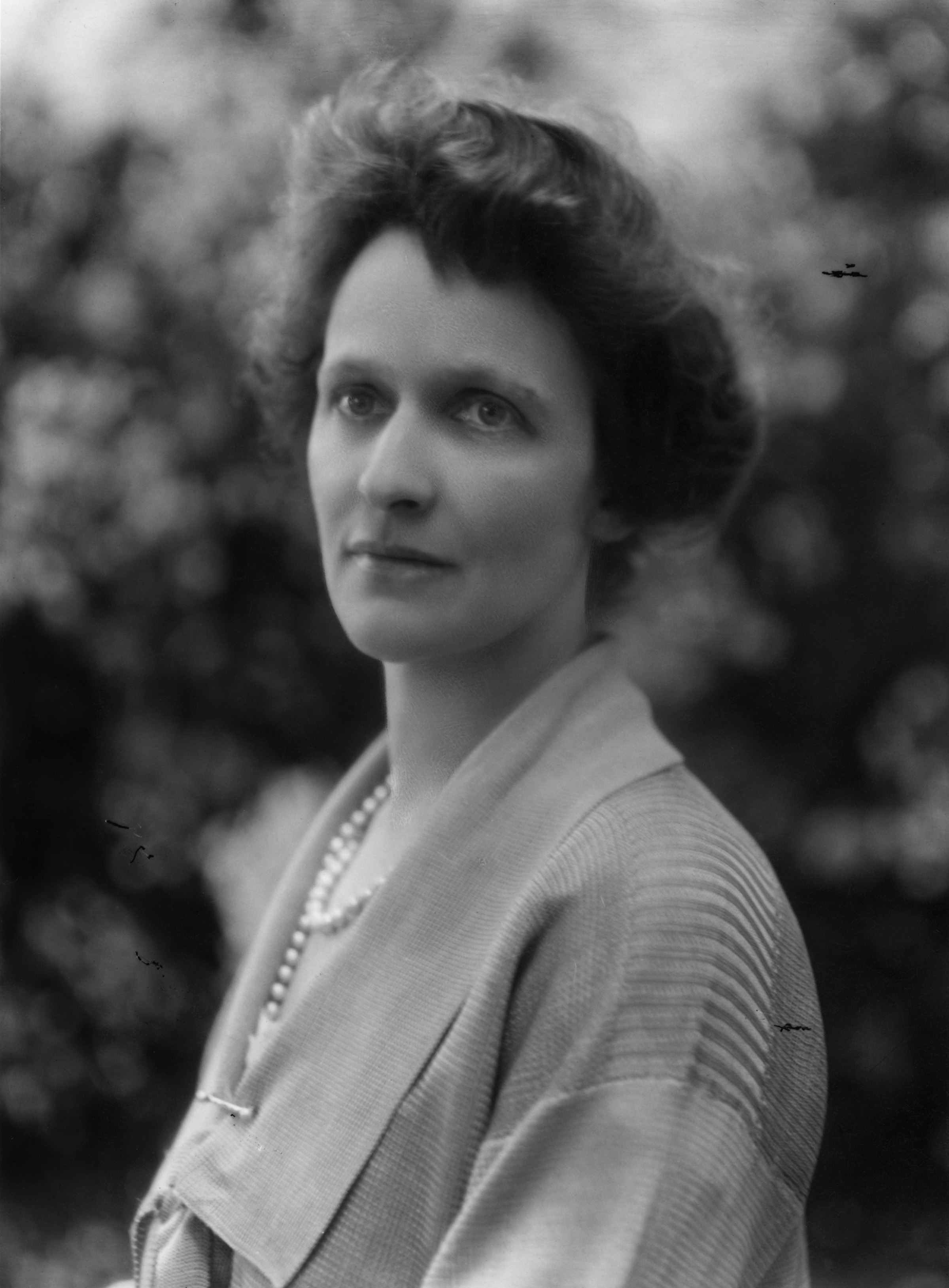
“The first woman to take a seat as a Member of Parliament in the UK, serving from 1919 to 1945.”
Wikipedia / Wikimedia Commons
Connections
 Karl Marx
Opposed · 1883
Nancy Astor and Karl Marx were both prominent figures in their respective movements, with Astor advocating for women's rights and Marx promoting socialism. Their ideologies were fundamentally opposed, with Marx's views on class struggle contrasting sharply with Astor's more conservative political stance.
 Suffragette
Collaborated · 1918
Nancy Astor, as a member of Parliament, was part of the broader political environment that included suffragettes like Emmeline Pankhurst, who pushed for women's rights and suffrage in the UK. Although they may not have collaborated directly, Astor's position in Parliament helped pave the way for the ideas promoted by suffragettes.
“The great thing about getting married is that you get a man who can shout, 'You shall not pass!' and you get to shout in return, 'You shall not pass!'.”
 Simone de Beauvoir
Influenced · 1949
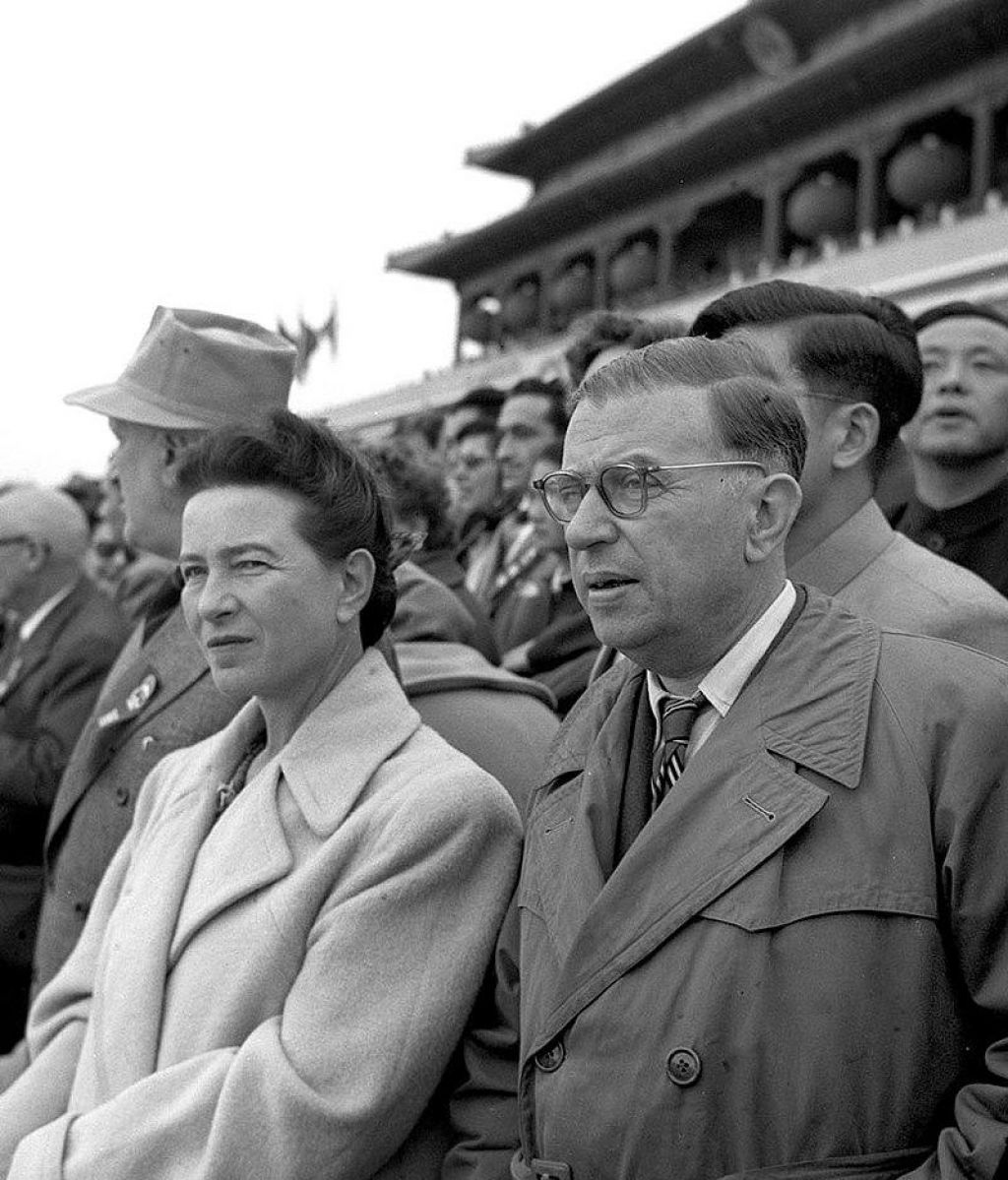
Nancy Astor's advocacy for women’s rights and her participation in the political landscape of Britain influenced later feminist thinkers, including those from Marxist feminist perspectives. Her push for women's involvement in politics provided a backdrop for the discussions that figures like Simone de Beauvoir would later engage in.
 Friedrich Engels
Contemporary · 1905
Nancy Astor and Jean-Paul Sartre were contemporaries, both influential figures in their respective fields of politics and literature during the early to mid-20th century. Their lives overlapped during critical periods of social change and political upheaval in Europe and the US.
 Laura Marx
Influenced · 1911
Laura Marx was contemporaneous with Nancy Astor, though not directly connected; Astor’s efforts in advancing women’s rights resonate with Marx's socialist activism. Both operated within the broader themes of social reform aimed at providing women more rights and opportunities.
 Albert Einstein
Contemporary · 1930
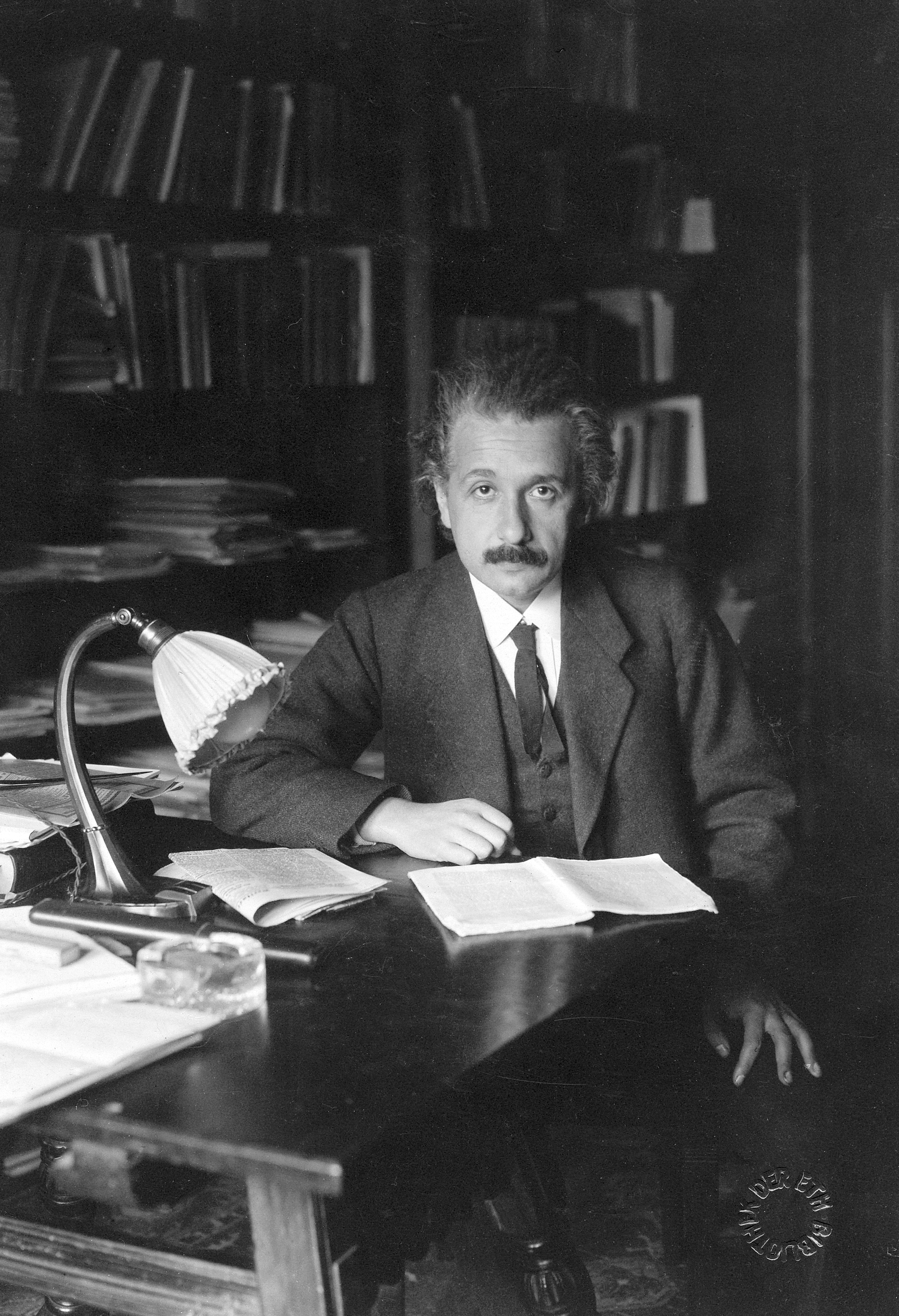
Albert Einstein and Nancy Astor were contemporaries involved in significant political and social discussions, particularly regarding women's rights and pacifism during the interwar period.
- +1 more connections
Intellectual lineage
Influenced by
No recorded paths yet.
Influenced
- Laura Marx (direct)See path →
- Simone de Beauvoir (direct)See path →
- Suffragette (1 hop via Beauvoir)See path →
 Vladimir Lenin (1 hop via Beauvoir)See path →
- Karl Marx (1 hop via Beauvoir)See path →
- Friedrich Engels (1 hop via Beauvoir)See path →
Connected figures
Suggested figures
Karl MarxConnected to Nancy Astor, Vis…SuffragetteConnected to Nancy Astor, Vis…Simone de BeauvoirConnected to Nancy Astor, Vis…Friedrich EngelsConnected to Nancy Astor, Vis…Laura MarxConnected to Nancy Astor, Vis…Albert EinsteinConnected to Nancy Astor, Vis… Michael FaradayConnected to Nancy Astor, Vis…