← BackPerson
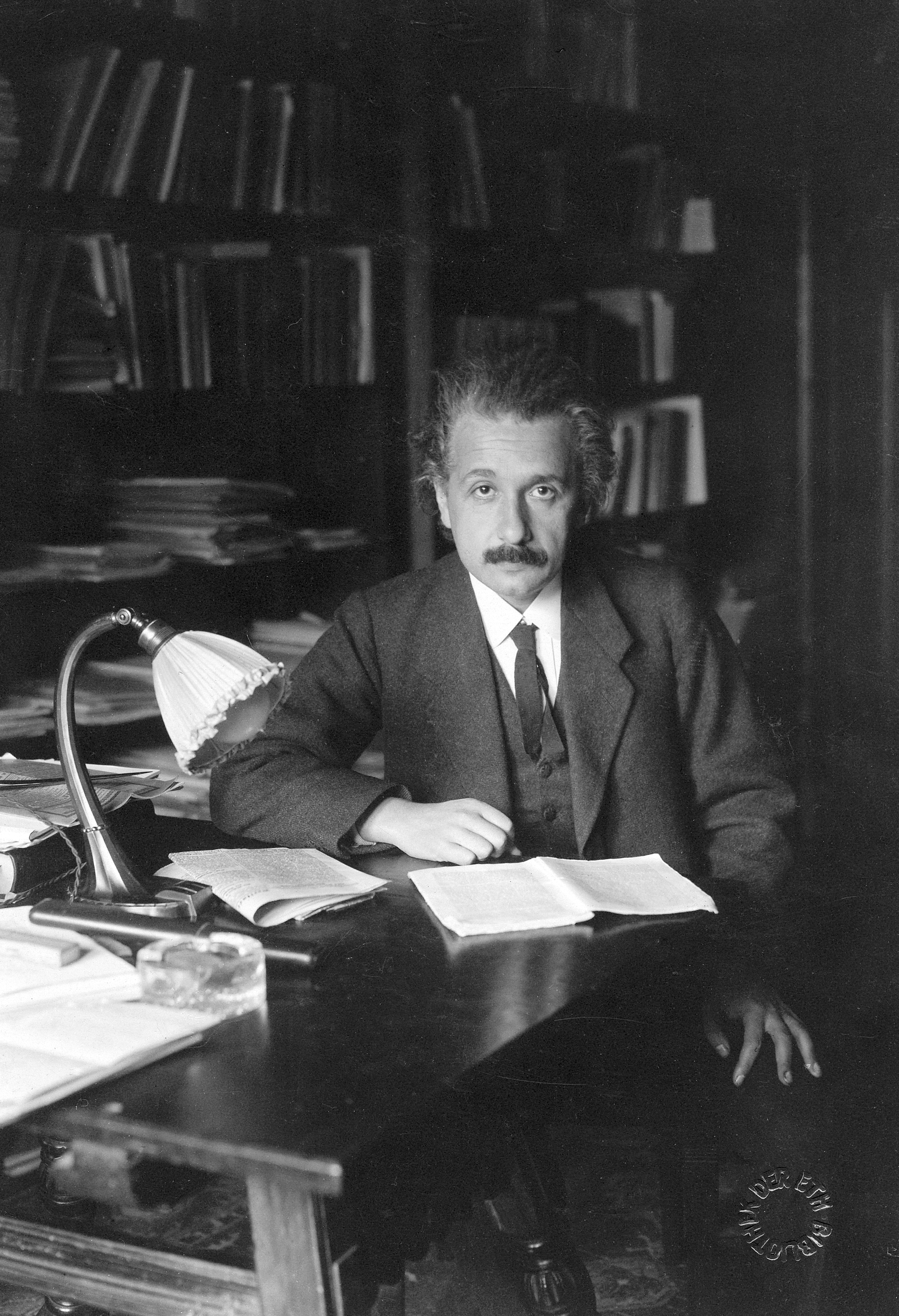
Albert Einstein
1879 – 1955
Theoretical PhysicsQuantum Theorytheoretical physicsquantum theory
“Albert Einstein was a German-born theoretical physicist known for developing the theory of relativity and the mass-energy equivalence formula E=mc². He made groundbreaking contributions to quantum theory and won the Nobel Prize in Physics in 1921.”
Wikipedia / Wikimedia Commons
Connections
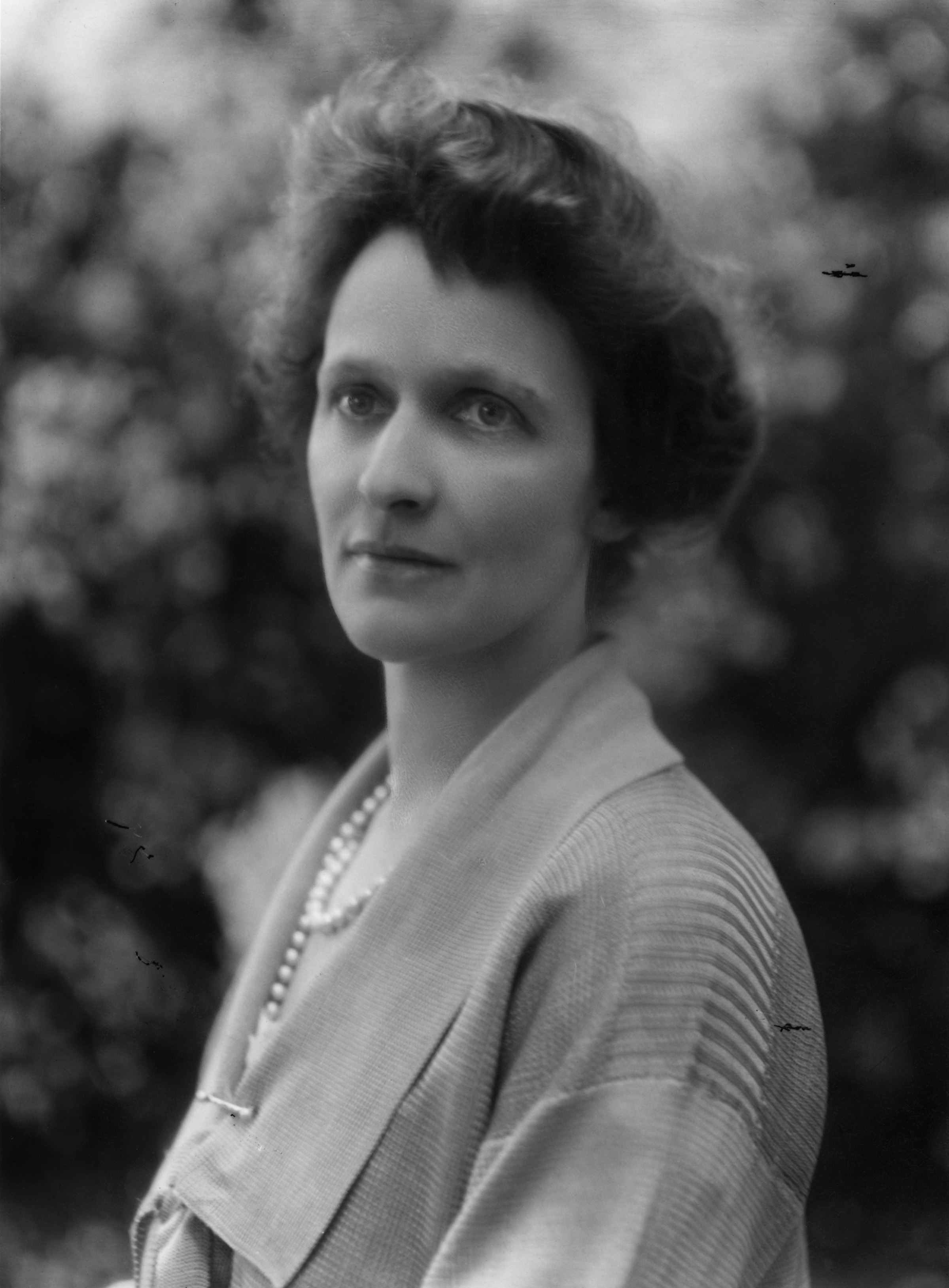 Nancy Astor, Viscountess Astor
Contemporary · 1930
Albert Einstein and Nancy Astor were contemporaries involved in significant political and social discussions, particularly regarding women's rights and pacifism during the interwar period.
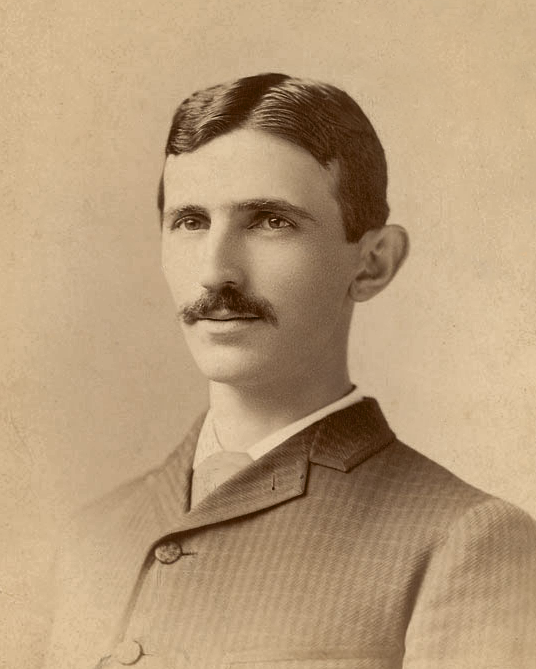 Nikola Tesla
Contemporary · 1917
Both Albert Einstein and Karl Marx were influential figures in the early 20th century, shaping thoughts in their respective fields of science and politics as Europe confronted socio-political upheaval. While they did not interact personally, their works and ideas often intersected in discussions of society and philosophy.
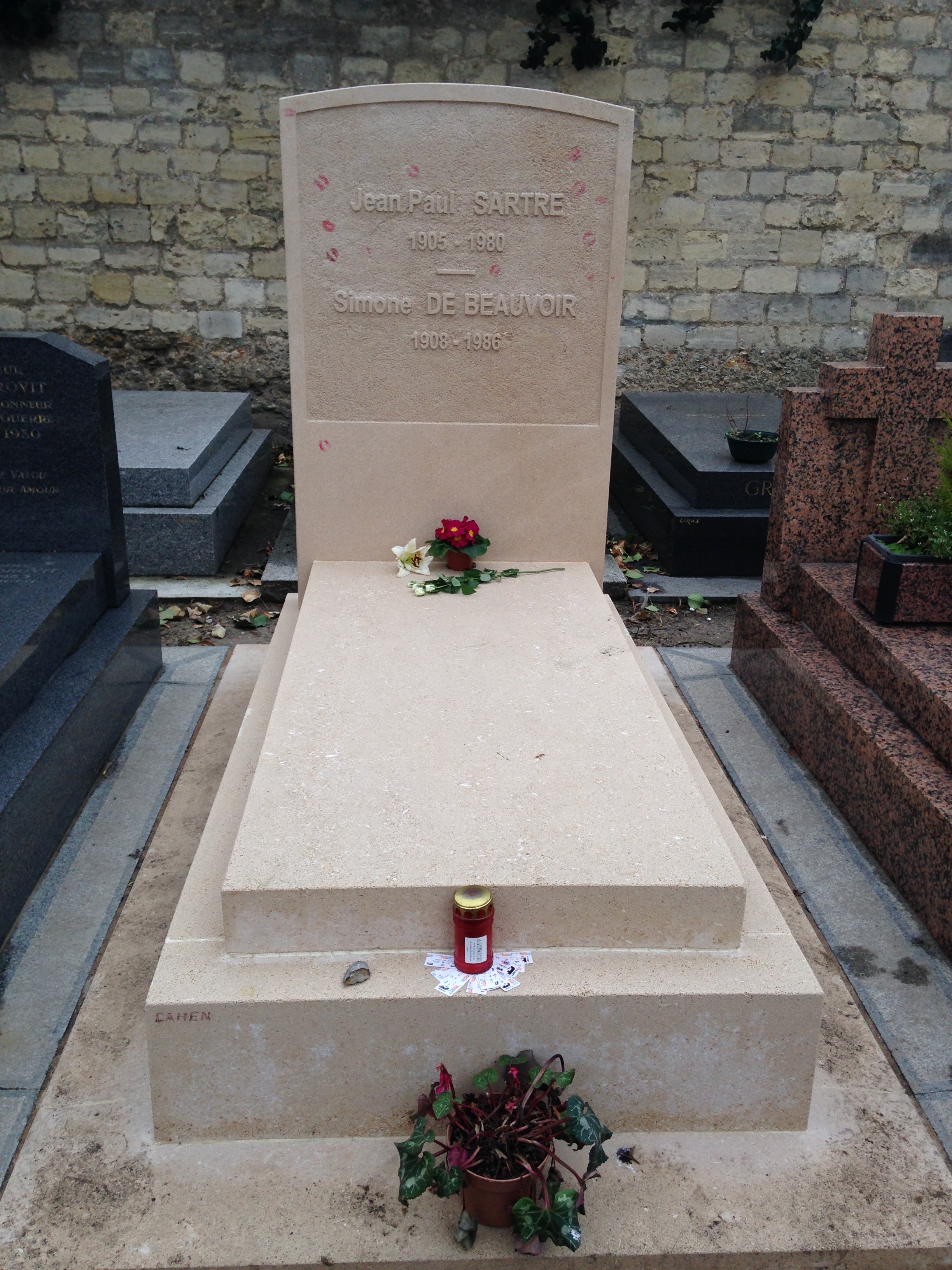 Jean-Paul Sartre
Contemporary · 1905
Albert Einstein and Jean-Paul Sartre were contemporaries who both significantly influenced the 20th century, with Einstein's theories reshaping physics and Sartre's existentialist philosophy impacting literature and political thought.
“We are all born ignorant, but one must work hard to remain stupid.”
 Karl Marx
Contemporary · 1905
Albert Einstein and Nikola Tesla were contemporaries during the early 20th century, both contributing significantly to the fields of physics and electrical engineering. Their lives overlapped during a pivotal time for scientific advancement, though they never met or collaborated directly.
 Russian Soviet Federative Socialist Republic
Contemporary · 1917
Albert Einstein and the Russian Soviet Federative Socialist Republic existed during a time of significant scientific and political change, though Einstein did not actively engage with the Soviet regime. His scientific ideas were nonetheless influential in the broader context of revolutionary thought.